The Inclusion Project Advances Menstrual Health and Girls’ Education Through Forums in Kano and Imo States

As part of its ongoing commitment to promoting menstrual health, dignity, and girls’ rights across Nigeria, The Inclusion Project (TIP), through its Menstrual Hygiene and Reusable Pad Initiative, has successfully organised menstrual health forums in Kano and Imo States. The initiative is aimed at tackling period poverty, boosting girls’ confidence, and ensuring that menstruation does not hinder girls’ education, wellbeing, or participation in daily life.
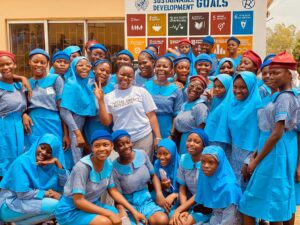
The forums brought together adolescent girls, young women, and community stakeholders for open, practical, and empowering conversations around menstrual health. Central to the programme was the goal of equipping girls with accurate information about their bodies while addressing stigma, misinformation, and economic barriers associated with menstruation.
Speaking on the Kano forum, Pamela Okoroigwe, Director of The Inclusion Project, explained that the organisation facilitated a series of menstrual hygiene awareness sessions designed to empower adolescent girls with knowledge about menstrual health, personal hygiene, and their rights. According to her, the sessions created a safe space for girls to ask questions and learn without shame or fear.
As part of the programme, participants were trained on how to produce reusable sanitary pads using simple and affordable materials. This practical skill, Okoroigwe noted, promotes sustainability and provides a long-term solution for girls who cannot afford disposable menstrual products every month.
“The training gave many of the girls information they had never received before,” she said. “Some of them used to stay at home during their periods because they were afraid of staining their clothes with unsafe materials. With these do-it-yourself reusable pads, they can now attend school confidently and without fear.”
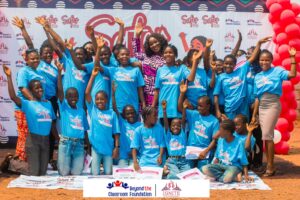
In Imo State, TIP continued its outreach with a menstrual hygiene empowerment workshop that brought together adolescent girls and women leaders for an interactive learning experience. The session focused on menstrual health education as a pathway to dignity, confidence, self-awareness, and improved educational outcomes for girls.
Participants learned how to make reusable sanitary pads using a simple three-layer method, providing them with both knowledge and a sustainable solution to challenges around affordability and school attendance. The workshop also addressed harmful cultural beliefs and myths surrounding menstruation, while encouraging girls to advocate for themselves and support one another.
TIP Programme Manager, Oguchienti Jane, noted that many girls shared personal stories of stigma and isolation during the session. She explained that the training helped participants understand that menstruation is a natural and healthy process, not something to be ashamed of.
“Our work with girls in Kano and Imo reflects our belief that menstrual health is not just a hygiene issue, it is an issue of dignity, equality, and human rights,” Okoroigwe added. “By teaching girls how to manage their periods safely and confidently, we are giving them the freedom to focus on their dreams without interruption.”
She further stated that through these combined efforts, TIP is not only providing practical tools but also amplifying girls’ voices, strengthening community awareness, and challenging systems that limit girls due to lack of knowledge or resources.
The Menstrual Hygiene and Reusable Pad Initiative was launched with support from the Malala Fund, following TIP’s engagement with girls in underserved communities and its observations of the impact of period poverty on school attendance, health, and confidence.
Through this initiative, The Inclusion Project aims to ensure that no girl misses school because of her period, communities are informed and supportive of girls’ health needs, and young girls grow up confident, informed, and empowered.
As TIP continues to expand its Reusable Pad Initiative across Nigeria, the organisation reaffirms its commitment to building a society where menstruation does not interrupt a girl’s education, mobility, or opportunities.