Bringing AI Education to the Young People Often Left Out of the AI Revolution
As Artificial Intelligence rapidly changes how people learn, work and solve problems, a new education initiative is taking AI literacy beyond Nigeria’s major cities and into underserved, rural and humanitarian communities across the North.
The Aid for Rural Education Access Initiative (AREAi) has partnered with the Raspberry Pi Foundation to introduce Experience AI across Adamawa, Borno, Benue and the Federal Capital Territory, in what the organisations describe as the first large-scale implementation of the programme in Northern Nigeria.
The initiative will train 450 educators as certified Experience AI facilitators, equipping them to deliver AI lessons to an estimated 16,000 students and community beneficiaries across the participating locations.
At its core, the programme is designed to help young people understand what Artificial Intelligence is, how AI systems work, how the technology can be used responsibly and how it can be applied to solve problems within their own communities.
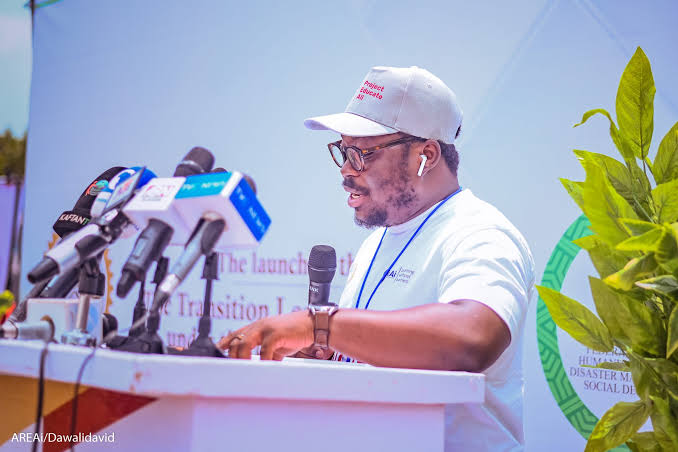
For Prince Gideon Olanrewaju, Global Executive Director of AREAi, expanding AI education into underserved communities is about ensuring that geography and circumstance do not determine who gets to participate in the future being shaped by technology.
“This partnership is a testament to our resolve to enable access and opportunity for disadvantaged communities,” Olanrewaju said. “We can’t afford to leave behind refugee populations and displaced learners in this AI revolution.”
The focus on teachers is particularly important.
Rather than attempting to reach thousands of young people through short-term interventions, the initiative is building a network of educators who can take AI knowledge into classrooms and communities and continue engaging learners beyond the initial programme.
The 450 educators will receive structured training and classroom-ready resources to help them teach AI confidently, even where they may not have previously considered themselves technology specialists.
Philip Colligan CBE, Chief Executive Officer of the Raspberry Pi Foundation, said the partnership would help teachers develop the confidence and skills required to make AI education engaging and relevant to their students.
Experience AI was co-developed by the Raspberry Pi Foundation and Google DeepMind and provides free educational resources designed to help young people develop a foundational understanding of artificial intelligence.
The programme has already reached learners and educators in more than 196 countries, according to the partner organisations.
Anna Koivuniemi, Head of Google DeepMind Impact Accelerator, said expanding Experience AI in Nigeria would give more young people an opportunity to understand and engage with a technology that is increasingly influencing everyday life.
“As AI continues to shape our world, it’s crucial that every young Nigerian has the chance to learn more about and engage with this transformative technology,” she said.
That opportunity is particularly significant in communities where access to technology education remains limited.
AI is already influencing sectors including education, healthcare, agriculture, public services and employment. Yet the ability to understand and participate in these changes is not equally distributed.
Young people in rural communities, conflict-affected areas and humanitarian settings can face multiple barriers to accessing quality technology education.
AREAi’s work has historically focused on communities facing precisely these kinds of barriers. Over the past decade, the organisation has implemented technology-enabled and offline learning programmes aimed at expanding educational access among underserved populations across Africa.
The Experience AI partnership extends that work into a new area.
Instead of treating Artificial Intelligence as a specialised subject reserved for university students, engineers or technology professionals, the initiative approaches AI literacy as a foundational skill that young people should begin developing early.
That shift matters because understanding AI is increasingly becoming part of understanding the world itself.
Young people will encounter AI in classrooms, workplaces, healthcare systems, financial services, public institutions and everyday digital products. Giving them the ability to question how these systems work, understand their limitations and use them responsibly could become as important as traditional digital literacy.
For AREAi, the ambition goes further than helping young people become consumers of AI.
Olanrewaju said the partnership is intended to empower young people to innovate, solve problems and contribute to positive change in their communities.
That means a learner in a rural or humanitarian community should not have to wait until adulthood, move to a major city or gain access to an elite institution before encountering the ideas shaping the future of technology.
With 450 educators being trained and approximately 16,000 learners and community beneficiaries targeted, the initiative represents an attempt to widen that doorway.
The larger question now is what happens after the first lessons.
If teachers gain the confidence to continue teaching AI, if students begin experimenting with technology and if communities begin identifying local problems that can be addressed through digital tools, the impact could extend well beyond the initial numbers.
For Northern Nigeria, where millions of young people are growing up amid significant educational and economic challenges, that could make AI literacy more than a technology programme.
It could become a pathway to participation.
Because Africa’s AI future will not be determined only by the people building the most advanced models.
It will also be shaped by whether the young people who have historically been furthest from technology are given the opportunity to understand it, question it and eventually build with it.