Benue, EU and Development Partners Move to Harmonise Social Protection Data
The Benue State Government, with support from the European Union (EU), the International Labour Organization (ILO) and UNICEF, is working to address fragmented social protection data across the state through the development of a unified data management framework.
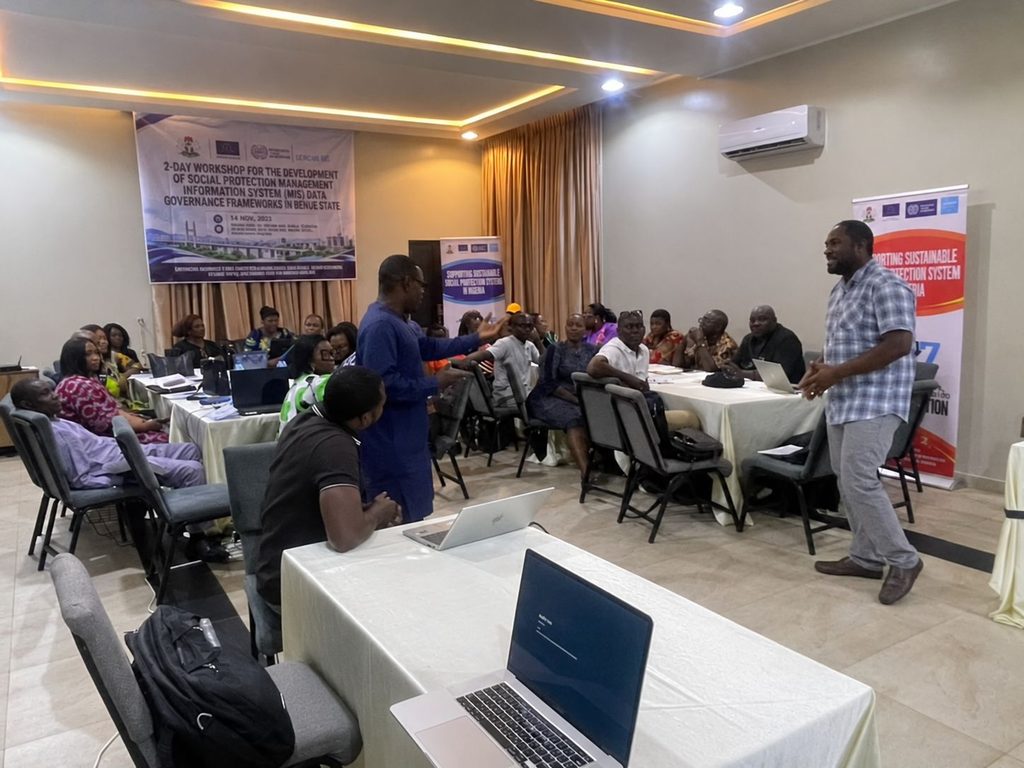
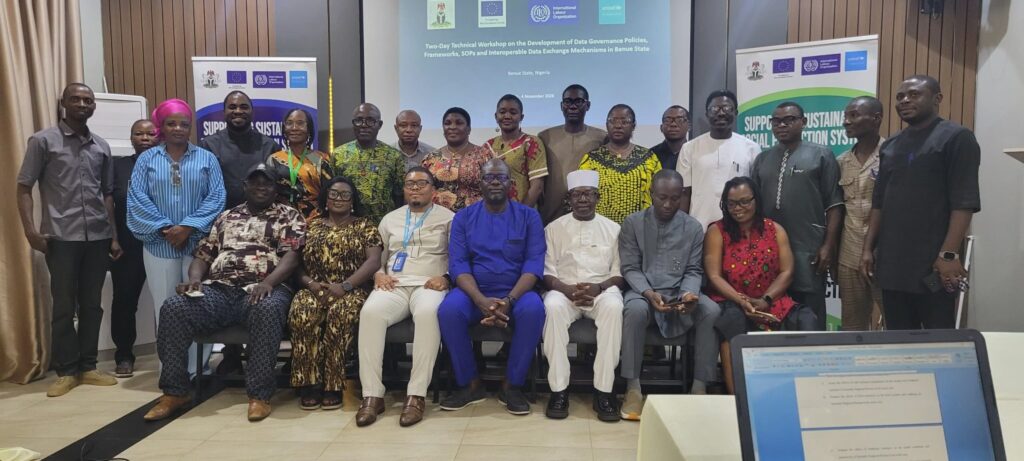
The initiative took centre stage at a stakeholder workshop convened by the Benue State Budget and Economic Planning Commission to develop data governance policies, frameworks, standard operating procedures and interoperable data exchange mechanisms for the state’s Social Protection Management Information System (SP-MIS).
Speaking at the opening of the workshop, Orinya Ogenyi, Director covering the Permanent Secretary of the Commission, said reliable data is essential for effective planning, budgeting and service delivery. He noted that several social protection programmes in Benue currently operate independently, with different government ministries, departments and agencies maintaining separate databases and using different data formats.
These programmes include the State Social Register, Farmer Register, Health Insurance, School Feeding, Cash Transfers and Humanitarian Response. The lack of common standards for collecting, sharing, protecting and using information has made it difficult to coordinate interventions and build a comprehensive picture of social protection needs across the state.
Ogenyi explained that the workshop is expected to produce four key outcomes: a data governance policy defining data ownership, access and privacy protection in line with the Nigeria Data Protection Act; clear frameworks and standard operating procedures for data collection, validation, storage and sharing; mechanisms that allow different government information systems to communicate; and a sustainable, government-owned system that does not depend on individual development partners or projects.
He said the state, under Governor Hyacinth Alia, is working towards moving from fragmented interventions to a more unified and responsive social protection system. He urged participants to focus on developing practical draft documents that the government can adopt and implement.
Speaking on behalf of the ILO Country Director for Nigeria, Ghana, Liberia and Sierra Leone, Dr. Vanessa Phala, Benedict Obute, National Project Officer for the Supporting Sustainable Social Protection Systems in Nigeria (SUSI) Project, said the workshop builds on an earlier assessment of Benue’s management information systems conducted during the year.
According to Obute, the assessment identified fragmented data and the absence of a common platform for harmonising information as major challenges. He explained that the SUSI Project is supporting efforts to strengthen social protection management information systems and establish mechanisms for data sharing among institutions.
He noted that improved interoperability would reduce duplication, help policymakers understand the reach of social protection programmes and support evidence-based decisions. He also encouraged participants to make practical contributions based on the programmes they implement and the existing systems and procedures within their institutions.
Lead Consultant on Social Protection, Dr. Iorwakwagh Apera, emphasised the importance of reliable data in shaping social policy. He observed that although attention to data and evidence-based policymaking has improved over the years, gaps remain in how information is collected, managed and used by government institutions.
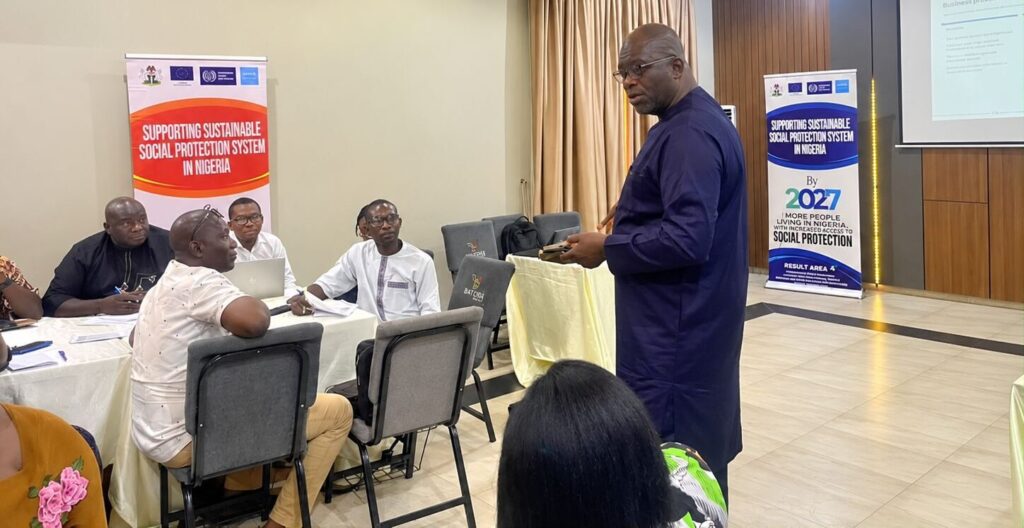
Apera highlighted the need for state-defined minimum standards to guide development partners and government agencies in collecting and managing information. Without such standards, different partners may continue to use separate data collection templates, making it difficult to harmonise information for planning, monitoring and measuring programme impact.
He also stressed the importance of maintaining reliable records over time, noting that data from previous years is essential for budgeting, reviewing implementation and identifying gaps in service delivery.
The workshop also received contributions from the Benue State Chairman of the Nigeria Labour Congress, represented by Comrade Timothy Atsaakaa, and the Executive Director of the Emmanuel Teryila Memorial Liberty Foundation, Mrs. Adi Vera, who spoke on behalf of civil society organisations. Both called for active participation and sustained commitment to the process.
The workshop is expected to produce draft governance policies, operational frameworks, standard procedures and data exchange mechanisms to guide the management of social protection information across Benue State.
The effort forms part of the broader Supporting Sustainable Social Protection Systems in Nigeria (SUSI) Project, supported by the European Union and implemented by the ILO and UNICEF. The three-year initiative works to strengthen social protection systems at federal and state levels, including in Benue, Abia, Oyo and Sokoto. Its wider objectives include improving coordination, expanding social protection coverage and strengthening systems to respond to poverty, vulnerability and emergencies.