Mercy Enwonode Igwe: Championing Child Protection and Empowering the Next Generation
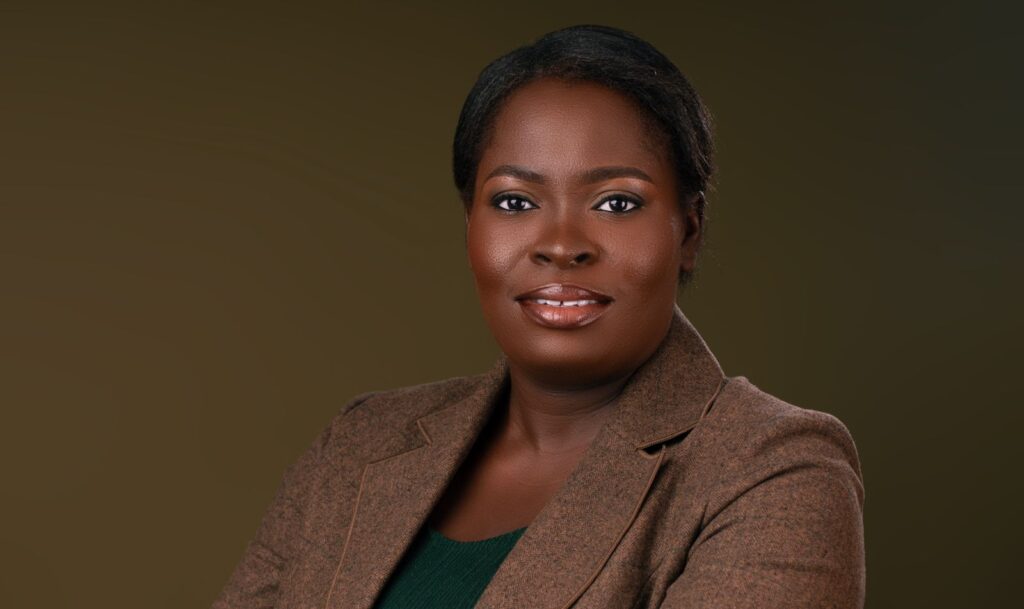
Mercy Enwonode Igwe is a changemaker, social impact leader, child protection advocate and community development practitioner committed to creating opportunities for vulnerable people and building resilient communities. As the Founder and Executive Director of Haven for the Hopeless Foundation, she leads initiatives focused on child protection, girl-child advocacy, women’s empowerment, mentorship and community development. Her work is driven by a strong belief in purposeful service, personal development and the importance of creating systems that empower people to build better futures.
In this edition of Africa Rising Stories (ARS), we sit with Mercy Enwonode Igwe to explore the values behind her work, her journey into social impact, the importance of mentorship, and her vision for building a legacy that creates opportunities for others long after she is gone.
ARS: Beyond the titles you hold and the work you do, what drives you? What values have been your anchor, and how have they shaped the woman you are today?
Mercy: I am driven by purpose, faith, service and the desire to leave the world better than I met it. I will not live forever, and I do not want to pass through this earth without leaving something meaningful behind. I am legacy-driven. I want my life to make a difference through the people I empower, the opportunities I create and the lives I touch.
My anchors have been faith, integrity, compassion, courage and accountability. I believe in purpose-driven service, in empowering people rather than creating dependency, and in leaving people better than I met them. For me, life is not about competition; it is about discovering who you are, fulfilling your assignment and making your contribution count.
ARS: What experiences or convictions led you to found Haven for the Hopeless Foundation, and what problem did you feel compelled to address?
Mercy: My journey into social impact began with a passion for the girl child.
I spent my teenage years in a community where cultural stereotypes suggested that educating a girl was not important. I watched many young girls become teenage mothers, abandon their education and grow up with limited expectations of what their lives could become.
Having grown up in that same environment, I was fortunate to pursue my education and discover possibilities beyond those limitations. I began asking myself: What about the other girls? What about those who have dreams but lack the support, resources and exposure to pursue them? That conviction led me to reach out to girls in my community, helping them understand that their backgrounds should not determine their futures.
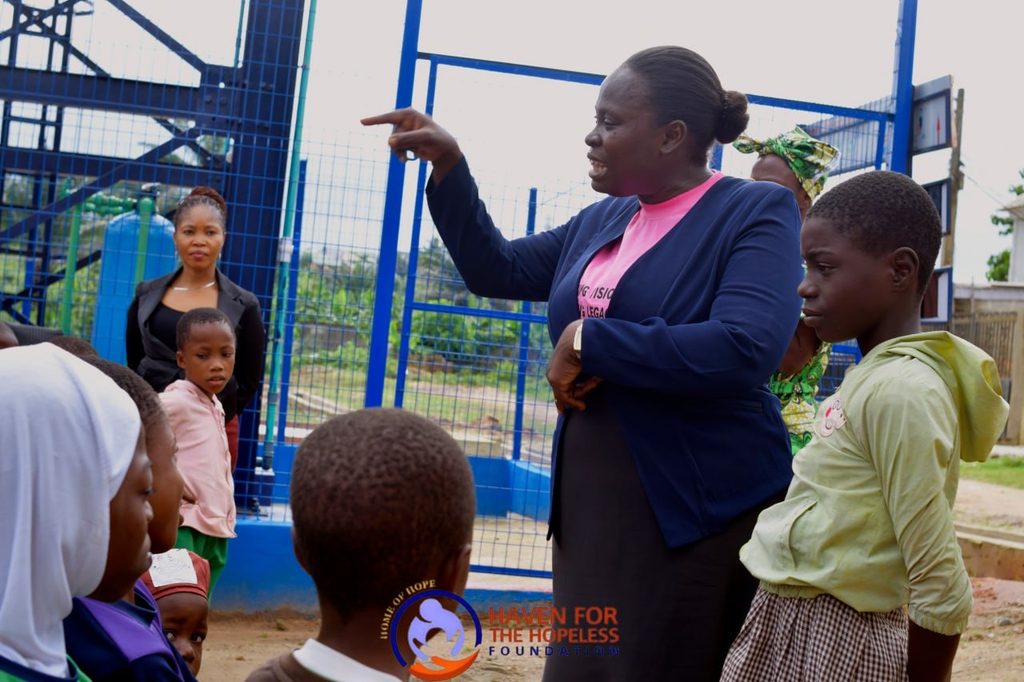
As we engaged further, we discovered other pressing needs, including children attending school without basic learning materials. We realised that mentorship alone was not enough; practical barriers to opportunity also had to be addressed. This led to the establishment of Haven for the Hopeless Foundation in 2023.
Today, HHF works across education, child protection, girl-child advocacy, women’s empowerment and community development, guided by our commitment to mentor, empower and inspire. Our mission goes beyond temporary relief: we want to restore hope, raise leaders and build resilient communities.
ARS: What have you encountered in these spaces that has changed your understanding of vulnerability, and what do you wish more people understood about those you serve?
Mercy: I have learnt that vulnerability is not always about poverty. Sometimes it is the absence of information, access, opportunity, protection or someone who believes in you.
I have met children whose education is threatened by circumstances beyond their control, women with the capacity to improve their livelihoods but without access to the right information and opportunities, and young people whose potential is constrained by their environment.
I wish people understood that vulnerable people are not without potential. They have dreams, abilities and aspirations. What they often need is an opportunity, a reliable support system and someone willing to walk alongside them.
That is why empowerment must go beyond giving people things. We must equip them with knowledge, confidence, skills and the capacity to make informed decisions. We must learn to see possibilities in people, not just their needs.
ARS: What inspired the Girl Child Advocacy and Mentorship Programme (GCAMP), and what changes do you hope to see in the girls who go through it?
Mercy: GCAMP was inspired by my conviction that a girl’s background should never determine the boundaries of her future. I wanted a structured programme that would intentionally support girls through their formative years, helping them understand their identity, rights, safety and potential.
An important part of GCAMP is bridging the exposure gap between girls from privileged and underserved backgrounds. Girls from public schools learn, interact and share spaces with girls from more privileged backgrounds. Our environment influences how big we dare to dream, and children are sometimes limited not by their capacity but by what they have been exposed to.
Through GCAMP, we address personal safety, SGBV awareness, menstrual health, peer pressure, identity, confidence, financial literacy and personal development.
Ultimately, I want every GCAMP girl to recognise her worth, understand her rights, make informed decisions and have the confidence to pursue possibilities beyond her present circumstances. I want her to dream bigger, not because her background has changed, but because her exposure has expanded her understanding of what is possible.
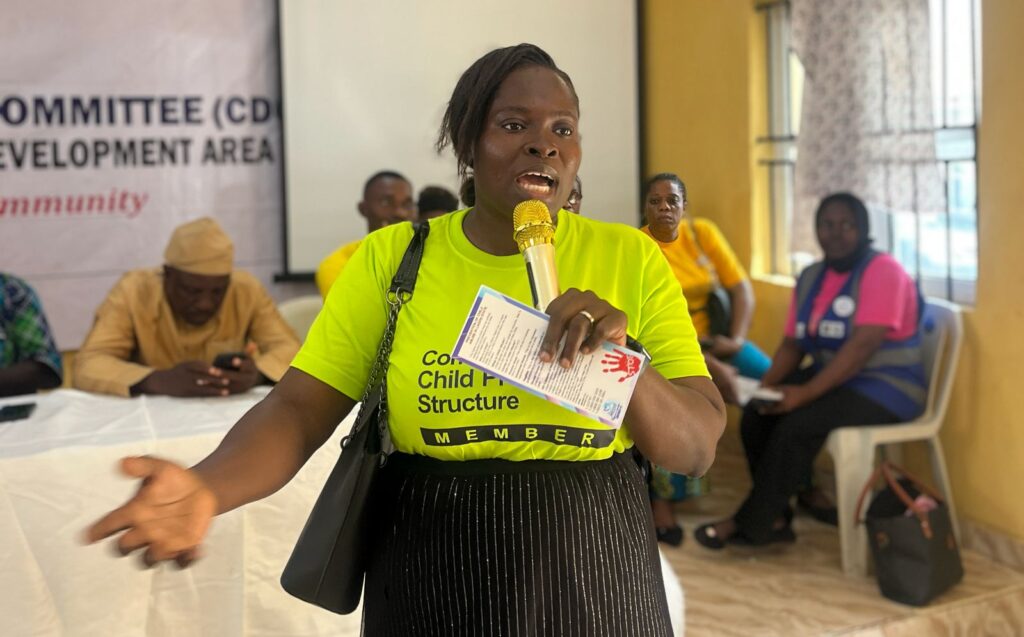
ARS: Why did you prioritise teenage mothers through Rebuild Circle, and how do you hope to help them see themselves and their futures differently?
Mercy: Rebuild Circle is rooted in my belief that a difficult chapter should never become the definition of someone’s entire life.
Teenage motherhood can bring stigma, interrupted education, financial pressure and emotional challenges. Society sometimes focuses so much on the circumstances of these young women that it forgets their potential. They deserve more than judgement. They deserve guidance, support, mentorship and opportunities to rebuild.
Through Rebuild Circle, we hope to help teenage mothers rediscover their identity, rebuild their confidence, develop life skills and see possibilities beyond their present circumstances.
Motherhood may change the direction of their journey, but it does not have to erase their dreams. Our goal is to move them from feeling defined by their circumstances to becoming women with renewed purpose, direction and confidence.
ARS: Has mentorship played a significant role in your own life, and how has it influenced the way you mentor others?
Mercy: It has. Even as a teenager, when I had little confidence in myself, there were people who saw possibilities in me that I could not yet see. They encouraged and challenged me, and sometimes placed me at the forefront of opportunities I would ordinarily have stepped back from. They helped me discover an inner strength I did not know I possessed.
Beyond encouragement, I experienced the power of accountability. I had people who consistently asked, “Mercy, where are you? What are you doing? How far have you gone?” I had to give reports, demonstrate progress and take responsibility for my growth. That made personal development a way of life for me.
It also informs my identity as a Purpose Midwife. I see my role as helping others birth the gifts, strengths and potential within them, just as others helped me discover mine. I want to create environments where people are encouraged, challenged and held accountable to become the best expression of who they are.
ARS: What has working across social impact, community development, coaching and security operations taught you about leadership, and what lesson did you learn the hard way?
Mercy: Leadership requires both compassion and structure.
Social impact has strengthened my understanding of people and community needs, while coaching has taught me the importance of personal growth, clarity and accountability. Security operations have deepened my appreciation of discipline, responsibility, risk management and systems. Interestingly, they have also amplified my voice in advocacy, particularly in protecting people and standing in for those whose voices may not be heard.
The lesson I learnt the hard way is that good intentions alone do not produce sustainable impact. Passion must be supported by competence, structure, documentation and accountability. I have also learnt that leadership is not about doing everything yourself; it is about building people and systems that can deliver results beyond your personal involvement.
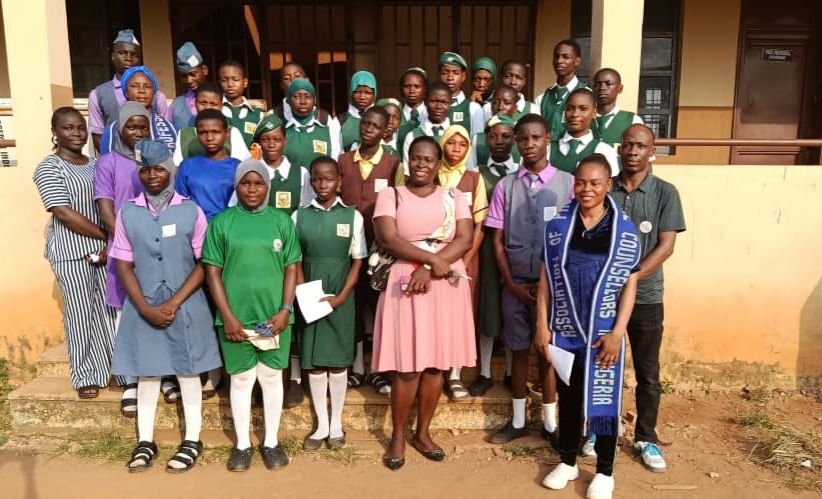
ARS: What has been one of your most defining experiences, and how has it changed your approach to social impact?
Mercy: Returning to the community where I spent my teenage years, to create opportunities for girls growing up in similar circumstances, is deeply meaningful. I once witnessed limiting beliefs in that environment; today I am able to expose young girls to possibilities beyond them.
Equally defining was discovering, during our needs assessments, children attending school without basic learning materials. It reminded me that what stands between a child and an opportunity can be as basic as a notebook, a schoolbag or a pair of sandals.
These experiences taught me to listen before intervening and to approach social impact with intentionality. For me, impact is not just about the number of people reached or items distributed. It is about what changes in people’s lives because we showed up.
ARS: What lasting change would make you feel that your life’s work truly mattered?
Mercy: I want to be remembered as a woman who created possibilities and opened doors for others. One of my biggest aspirations is to build systems that outlive me, particularly through Haven for the Hopeless Foundation and initiatives such as GCAMP. Through GCAMP, I want to bridge the exposure and opportunity gap between girls from privileged and underserved backgrounds, so that a girl who may never have imagined herself in certain rooms can enter them, discover her capacity and begin to dream bigger.
Our environment influences the size of our dreams. Often, it is not that a child lacks the capacity to achieve more; her environment has simply not exposed her to what is possible. I want to be part of changing that, and to help girls capture the possibilities within themselves and their generation, regardless of where they come from.
Ultimately, I want to build an institution, raise people and create opportunities that continue to make a difference long after I am gone. I am a builder of legacies, and I want the things I build to outlive me.
ARS: If you had a room full of young people before you, what one message would you want them to hear?
Mercy: Do not postpone your purpose.
Time waits for nobody, and tomorrow is never guaranteed. Whatever meaningful thing you have been thinking about doing, take the first step today. Do not wait until everything is perfect, until you have all the resources or until you feel completely ready.
Discover who you are, recognise the gifts you carry and take responsibility for developing them. Your background does not have to determine your future, and your present circumstances do not have to define your possibilities. Start where you are, use what you have and keep growing.
Most importantly, your life is not just about what you become, but about what becomes possible for others because you lived. Live intentionally, serve purposefully and leave people better than you met them.