Oxfam-Led Project Reaches Over 236,000 South Sudanese Refugees and Host Communities in Uganda
More than 236,000 South Sudanese refugees and members of host communities in Uganda’s West Nile region have benefited from a €21 billion Ugandan shilling humanitarian project implemented by Oxfam and its partners to improve access to clean water, sanitation, shelter and protection services.
The project, funded by the European Union Humanitarian Aid, was implemented by a consortium led by Oxfam, alongside CARE International, Save the Children and the Community Empowerment for Rural Development (CEFORD), a local Ugandan organisation.
Launched in early 2017, the intervention covered Yumbe, Arua, Moyo and Adjumani districts, where communities were responding to the continued arrival of refugees fleeing conflict in neighbouring South Sudan.
According to the implementing organisations, 236,982 refugees and host-community members were reached through the intervention, while 207,289 people gained access to safe and clean water. A further 228,441 people benefited from gender and protection interventions.
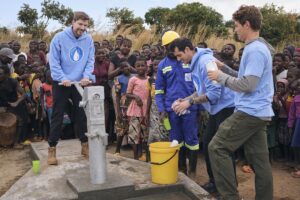
To improve access to water, the project established three solar-powered water systems and drilled 10 hand pumps. It also moved beyond emergency water distribution and temporary shelter to more sustainable infrastructure, including motorised piped water systems and household latrines.
The intervention also addressed the protection and wellbeing of women and girls, who often face heightened risks of violence and exploitation in displacement settings. More than 14,000 vulnerable people received specialised support relating to sexual and gender-based violence, illness, old age or physical disabilities.
CARE International, one of the consortium partners, highlighted the connection between access to water, sanitation and hygiene services and the protection of women and girls. The organisation noted that improved facilities helped restore dignity and reduce some of the risks associated with inadequate sanitation.
Children were another major focus of the programme. As the number of school-age children in the settlements increased, Save the Children established 36 Early Childhood Care and Development centres to provide safe spaces for learning, play and social interaction.
Through the centres, 7,835 children received care and support from trained caregivers to help them cope with trauma, isolation and other psychological difficulties arising from their experiences in South Sudan.
The project also provided vulnerable refugees with semi-permanent shelters and established facilities to respond to gender and protection concerns.
Theophillus Emanu, Oxfam’s Field Response Manager, said the European Union funding enabled the consortium to respond to urgent needs at the height of the refugee influx in April 2017.
He explained that the intervention initially relied on water trucking and temporary shelters before moving towards more durable solutions as the daily arrival of refugees reduced.
Despite the progress, Emanu acknowledged that significant gaps remained as refugees continued to rebuild their lives in Uganda.
At the time of the project’s conclusion, the funding appeal for the South Sudan refugee crisis still had a 62 per cent shortfall. The Ugandan government, working with the United Nations High Commissioner for Refugees (UNHCR), estimated that $541.5 million was still needed to respond effectively to the crisis.
The project demonstrated the importance of combining emergency humanitarian assistance with longer-term investments in water infrastructure, child protection, sanitation and community resilience, particularly in areas where displaced populations and host communities share limited resources.