Bridge-D-Gap Initiative Is Taking GBV Prevention Deeper Into Nigerian Communities
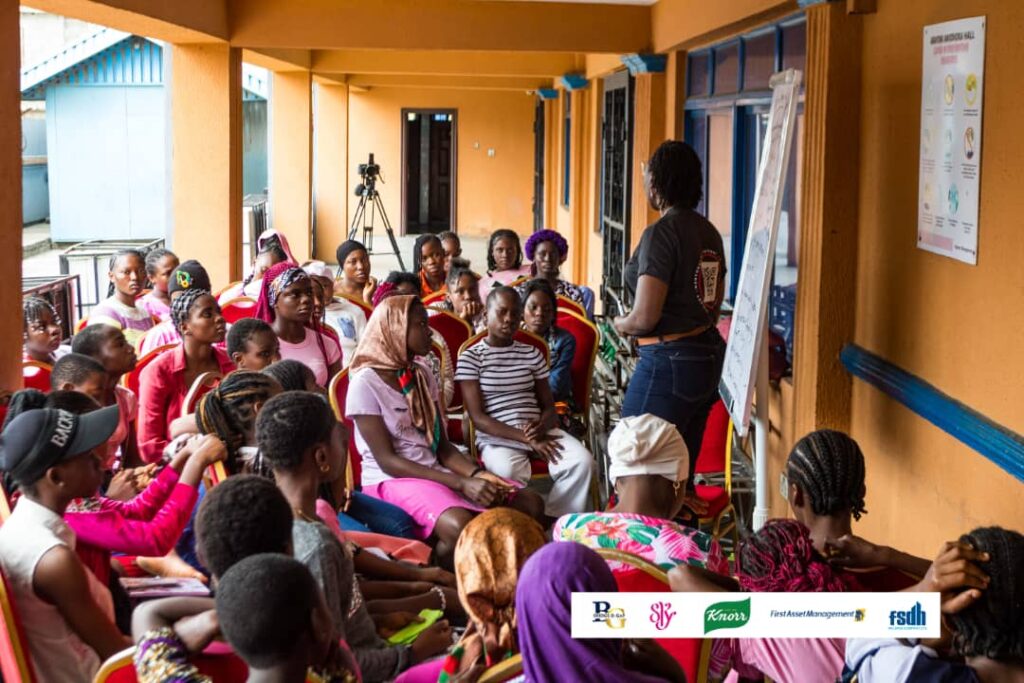
The Lagos-based nonprofit works across adolescent wellbeing, sexual and reproductive health, GBV prevention, survivor support, child protection and community advocacy. Its approach is built around four areas: knowledge, protection, support and dignity, with programmes designed to work not only with women and girls but also with the families, schools, community structures and frontline institutions around them.
Founded and led by Opeyemi Makanjuola, Bridge-D-Gap has developed programmes covering adolescent mentorship and life-skills education, sexual and reproductive health education, menstrual health, GBV prevention and response, capacity building for nurses, schools and law-enforcement officers, and advocacy against harmful traditional practices.
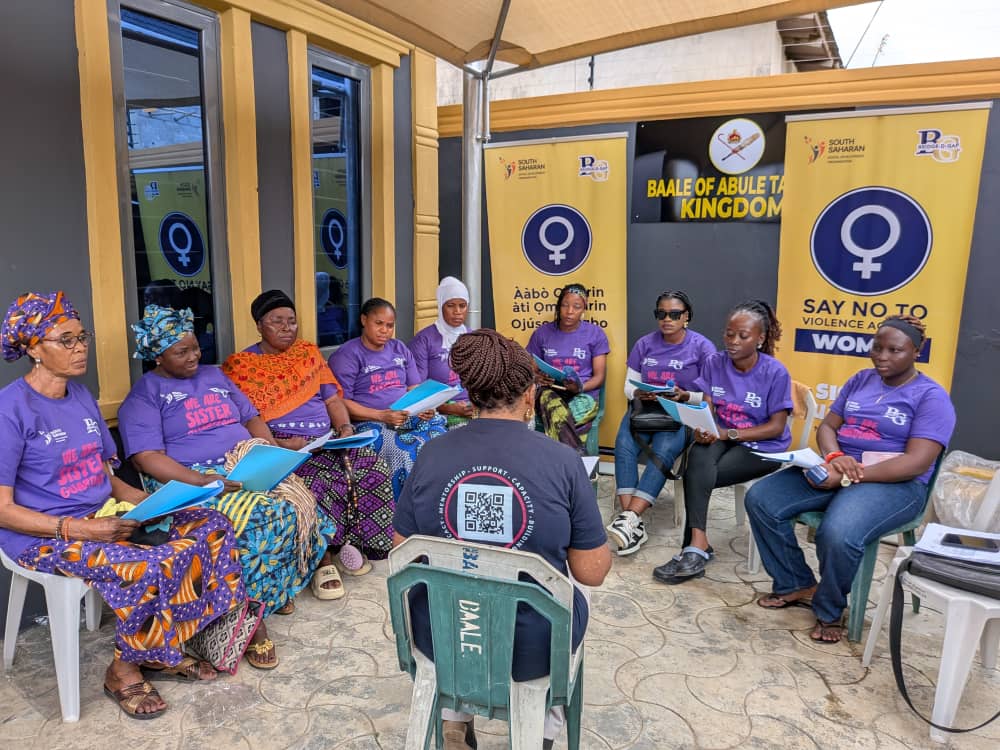
One of its current interventions is the Sister Guardian Initiative, a 15-month community-based project being implemented across six communities in Lagos State. The initiative focuses on strengthening the prevention, early identification, safe reporting, referral and response to gender-based violence and harmful traditional practices affecting women and girls.
The programme has selected 60 Sister Guardian Executives, with 10 women drawn from each participating community. The women include wives of traditional and religious leaders, health educators, school head teachers, police women, political women leaders, market women leaders and other recognised community leaders.
The participating communities are Olubori, Odunfa and Ekore in Oworo; Alayabiagba in Ajeromi-Ifelodun; Mushin/Dosumu in Mushin; Isale-Odo Ward in Orile-Agege; Abule-Taylor in Agbado/Oke-Odo; and Idi-Oro in Odi-Olowo/Ojuwoye.
The model builds on women who already occupy trusted positions within their communities and equips them to contribute to prevention, identification, reporting, referral and community advocacy around GBV and harmful traditional practices.
Bridge-D-Gap is implementing the Lagos component as one of six organisations selected under the third phase of the wider Sister Guardian Initiative. The implementing partners recently underwent training covering community mobilisation, facilitation, monitoring and evaluation, reporting and documentation, alongside peer learning from women already implementing the model.
The organisation is also investing in the institutional response to GBV. In 2026, Bridge-D-Gap is targeting 200 police officers for training to strengthen police capacity in managing GBV cases. This forms part of its broader focus on frontline institutions, which also includes capacity building for nurses and schools.
This institutional component is particularly relevant to the organisation’s wider approach. Bridge-D-Gap’s programme model combines education, mentorship, advocacy, stakeholder engagement, frontline training, referral support and community mobilisation.
Its work with adolescents remains another major part of the organisation’s programming. Through its mentorship work, Bridge-D-Gap addresses issues including identity, confidence, puberty, peer pressure, emotional wellbeing, relationships and safe decision-making. Its sexual and reproductive health programmes also provide age-appropriate information and menstrual-health support for girls and young women.
The organisation has also worked with parents on issues affecting adolescent girls. In 2025, Makanjuola spoke about the difficulty many mothers face in having conversations with their daughters about sex and money. Through the Mom, Me & Money Workshop, Bridge-D-Gap had reached more than 1,500 mothers and daughters across Lagos.
Taken together, the organisation’s programmes reflect an approach that goes beyond awareness campaigns. Its current work combines community structures with institutional capacity, with the aim of improving how risks are identified, how survivors are supported and how frontline actors respond.
This direction is also reflected in Bridge-D-Gap’s organisational structure. Its board and advisory council bring together expertise spanning public health, adolescent development, maternal mental health, education equity, digital health, diplomacy, global policy, innovation and social impact.
For Bridge-D-Gap, the focus is therefore not only on helping women and girls understand their rights, but on strengthening the systems and community structures that determine what happens when those rights are threatened.