Emmanuel Chukwuebuka Okoro: Using Words, Advocacy and Opportunity to Empower Young People

Emmanuel Chukwuebuka Okoro is a Nigerian creative writer, poet, digital communicator, social media manager, and child rights and SDGs advocate passionate about education, youth development, and social impact. He holds a B.A. in History and International Relations from Abia State University, Uturu, and hopes to build a career in diplomacy and international affairs.
A winner of the 2019 Korea–Nigeria Poetry Prize in the Junior Category and joint winner of the Feast of Words Poetry Competition in 2021, Emmanuel has had his literary work published in PAROUSIA Magazine, Shuzia, and Brittle Paper. He is a Kectil Fellow, a Theirworld Global Youth Ambassador, and an SDGs Advocate with UN SDSN Youth–Nigeria.
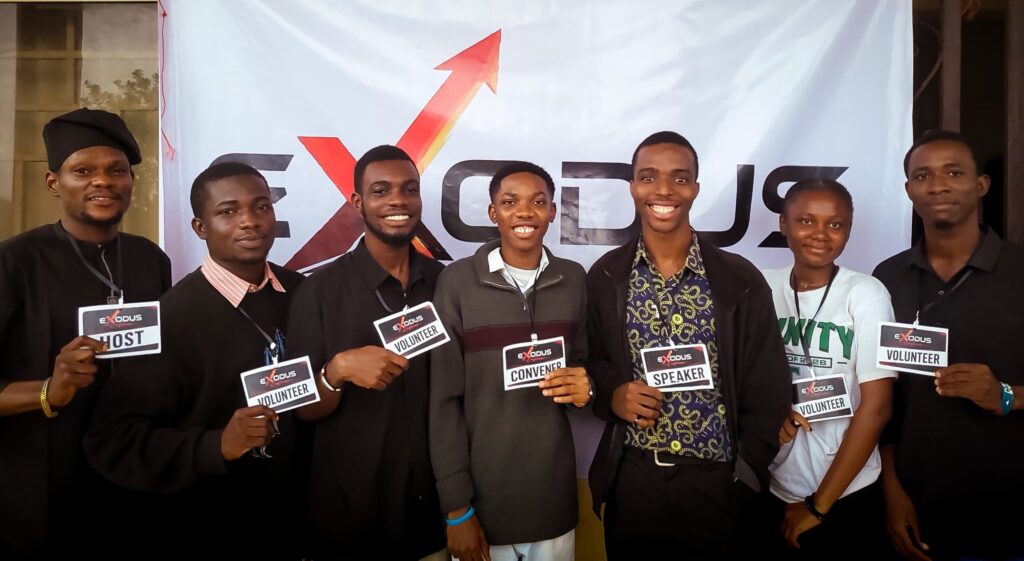
Beyond writing and advocacy, Emmanuel is the convener of EXODUS Conference, an initiative designed to inspire young people to rise beyond limitations and pursue personal, academic, and professional growth. He also leads the EXODUS Community, which connects young Nigerians to scholarships, fellowships, internships, leadership programmes, and other opportunities that can help them build their futures.
In a conversation with Africa Rising Stories (ARS), Emmanuel reflects on the experiences that have shaped his journey, the power of writing, the importance of youth advocacy, and his commitment to bridging the opportunity gap for young people. He also shares his vision for EXODUS, his aspirations in diplomacy, and the advice he would give to the next generation.
ARS: What drives you, and what experiences have shaped your journey?
Emmanuel Chukwuebuka Okoro: What drives me is the desire to make a difference in people’s lives, especially children and young people who lack access to opportunities. I believe that where someone comes from should not determine how far they can go.
My journey as a creative writer, child rights and SDGs advocate, and social media manager has shown me the power of communication, education, and access to information. Through Kectil, Theirworld Global, and UN SDSN Youth–Nigeria, I have grown more committed to youth development and child protection. Creating EXODUS Conference has also allowed me to turn this passion into action by helping young people recognize their potential and take steps towards their goals.
I want to use my skills and experiences to connect people to opportunities, amplify important causes, and help create a world where every young person has a fair chance to thrive, regardless of their background.
ARS: What role has writing played in your life, and how has your relationship with poetry evolved?
Emmanuel Chukwuebuka Okoro: Writing has always helped me express myself, understand the world around me, and connect with other people. Poetry, in particular, has been a safe place for me to explore my thoughts, express my feelings, and find my voice.
Over time, I have come to see writing as more than self-expression. It is a way to bring healing, challenge stereotypes, give people hope, and inspire change. I want my words to help people see things differently, feel understood, and discover new possibilities.
For me, writing is not just about words on paper; it is about making a difference in the lives of people.
ARS: What does having your work published mean to you?
Emmanuel Chukwuebuka Okoro: Having my work published means a lot to me because it gives me the opportunity to take my words beyond my immediate environment and reach people around the globe.
Winning the Korea–Nigeria Poetry Prize in 2019 and the Feast of Words Poetry Competition in 2021, having my work published in Brittle Paper, Shuzia, and other publications, and creating my own Substack page have all encouraged me to keep growing as a writer and share my thoughts with a wider audience.
ARS: What drew you to History and International Relations, and how has it influenced your ambitions?
Emmanuel Chukwuebuka Okoro: I have always been an inquisitive person who loves asking questions and learning about people, their cultures, and their backgrounds. I enjoy researching how people live, what shapes their beliefs, and how their histories influence the world we live in today.
This curiosity drew me to History and International Relations because it gave me the opportunity to explore these interests while understanding how nations relate to one another. Over time, my interest in global affairs has grown and strengthened my desire to pursue diplomacy, where I can continue learning, connect with people from different backgrounds, and contribute to building better relationships between nations.
ARS: How have your youth advocacy experiences shaped your understanding of young people’s challenges?
Emmanuel Chukwuebuka Okoro: My involvement in the Kectil Programme, Theirworld’s global youth advocacy community, and UN SDSN Youth–Nigeria has helped me understand that many young people face challenges beyond a lack of opportunities. Some lack access to information, resources, mentorship, and quality education, especially those from low-income backgrounds.
These experiences have taught me that advocacy should go beyond just raising awareness. We must also help connect young people to opportunities and involve them in finding solutions to the challenges they face.
I believe young people should not just be seen as beneficiaries of development. They should be in rooms and be recognized as partners who can identify problems, contribute unique ideas, design solutions, and participate in decisions that affect their lives.
ARS: What inspired you to create EXODUS Conference, and what limitations should young Nigerians overcome?
Emmanuel Chukwuebuka Okoro: I created EXODUS Conference because I wanted to give young people a space to pause, reflect on their lives, learn from others, and gain a clearer sense of direction. I did not want it to be just another conference where people listen to inspiring words and leave without knowing what to do next. I want participants to recognize their potential and identify practical steps they can take towards personal growth.
Living and studying in Uturu has also helped me understand how our environment can limit us. For instance, the lack of electricity in some communities can affect how young people learn, develop digital skills, and access opportunities. Beyond these physical challenges, I believe our mindset can also hold us back. Fear of failure, self-doubt, and the belief that certain opportunities are beyond our reach can prevent us from taking steps that could change our lives.
Through the EXODUS Community, I want to encourage young Nigerians to look beyond their present circumstances, seek knowledge, build meaningful connections, and take intentional steps towards their goals. I may not have all the answers to these challenges, but I hope to create a space that helps young people see new possibilities, believe in their potential, and leave with a clearer plan for their future.
ARS: Why do you focus on connecting young people to opportunities?
Emmanuel Chukwuebuka Okoro: I focus on connecting young people to opportunities because I believe the right information can change the direction of someone’s life. Many young people have the talent and potential to achieve great things, but they lack the resources, guidance, or information to get started, especially those from low-income backgrounds. Some miss out on transformational events that can birth ideas, fully funded scholarships, fellowships, bootcamps, and career opportunities simply because they do not know they exist.
I want to help bridge that gap by sharing useful information and creating platforms through transformational conferences, hangouts, and webinars where young people can learn, connect, and grow. For me, it is about helping them see greater possibilities beyond their present circumstances and giving them the information and encouragement they need to take the next step towards a better future.
ARS: How do you connect digital communication, educational technology, and child protection?
Emmanuel Chukwuebuka Okoro: I see digital communication and educational technology as tools for education, advocacy, and social impact. Through digital communication, I can share key information, raise awareness of recurring issues, and build communities. Educational technology can make learning more accessible and create opportunities for children to develop new skills.
At the same time, responsible communication and digital education can help protect children by raising awareness of abuse, online risks, and their rights. These interests connect with my commitment to child protection and advancing the Sustainable Development Goals (SDGs), particularly those focused on quality education, reduced inequalities, and children’s overall well-being.
ARS: How do you see your different interests coming together in the future?
Emmanuel Chukwuebuka Okoro: I see my interests in writing, advocacy, and community leadership coming together to create meaningful impact. Writing helps me communicate my ideas, advocacy gives purpose to my work, and community leadership allows me to turn ideas into action.
In the future, I hope to apply these skills in diplomacy and international development, contributing to initiatives that promote education, human rights, and sustainable development.
ARS: What advice would you give young people still trying to find their path?
Emmanuel Chukwuebuka Okoro: I would encourage young people to start where they are with what they have, trusting that God is the ultimate guide to their purpose. You do not need to have everything figured out before taking the first step.
Keep learning, develop useful skills, seek opportunities, and remain consistent. Most importantly, trust God’s timing and direction, because sometimes clarity comes as you take steps of faith and allow Him to lead you.