From Curiosity to Capability: How Technology Is Changing the Way We Learn
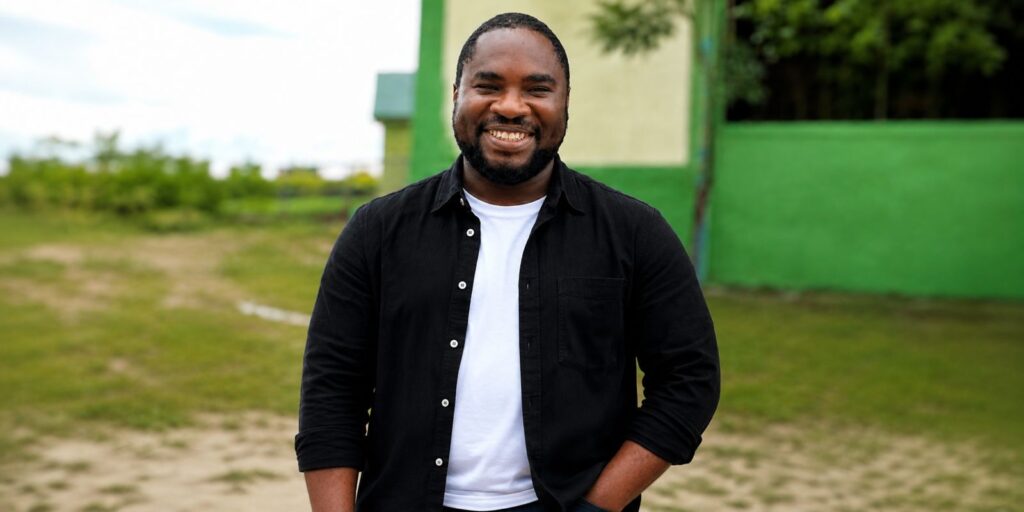
By Oluwaseun Olorunmeye Daniel
I have been thinking about how much the distance between wanting to learn something and actually being able to learn it has changed.
Years ago, you went to a library. What you could learn depended, to some extent, on the books that library had, the people you could speak to and how much time you had to search.
Then came Google. Suddenly, the information was available. The distance became smaller. But you still needed to know what to search for, which information was useful and how all the pieces fit together.
Now we have AI, and I think the distance has become smaller again.
You can say, “I want to become a data analyst. This is what I already know. What am I missing?” You can ask questions as you learn, ask for another explanation when you get stuck, practise, build something, get feedback and try again.
That shift is particularly interesting to me because I have spent much of my life building with technology. From experimenting with technology as a young person to developing websites and digital solutions, and now building digital products through Aiki Hub Technologies, there has always been something I needed to learn before I could build the next thing.
Technology has always been part of that learning process. What is different now is how much closer the support can be.
And I think this matters when we talk about young people and opportunity.
Following International Youth Day and this year’s theme, “Different Contexts, Common Aspirations,” I have been thinking about the very different places young people are starting from.
A young person in Nigeria may not have the same infrastructure, networks, mentors or opportunities as someone in London or New York. Technology does not make those differences disappear. But it can make some of the distance smaller.
A young person who cannot afford a private tutor can ask questions and practise at any time. Someone trying to enter a new career can use technology to understand what they do not know, identify what they need to learn and practise those skills.
A small business owner can automate repetitive work or analyse information faster. A designer can explore and test ideas that might previously have required more time or resources.
This is why I think we sometimes ask young people the wrong question when we tell them to “learn AI.”
Not everyone needs to become an AI expert. The better question may be: How can technology make you better at what you already want to do?
If you are a writer, can it help you research better? If you are an accountant, can it help you analyse information faster? If you are building a business, what can you automate? If you are a designer, what can you now create or test?
And if you are trying to enter a new career, can technology help you understand what you do not know, learn it and practise it?
I think that last part is particularly important.
The tools will change. Five years from now, we will probably be talking about technologies that are not mainstream today. Some of the tools we are learning now may no longer matter.
So perhaps the skill worth developing is not simply the ability to use AI. It is the ability to use technology to keep learning, adapting and building.
Because information alone has never been enough. What matters is what happens after we find it. We understand it. We practise it. We apply it. We build with it.
Different contexts will continue to shape where we start. Technology cannot remove all that distance. But it can make some of it smaller.
And sometimes, a smaller distance is all someone needs to begin.
ABOUT THE AUTHOR
Oluwaseun Olorunmeye Daniel is a Nigerian technologist, entrepreneur and builder. He is the founder of Aiki Hub Technologies, a technology company building digital products and platforms that solve real-world problems. His work spans technology, product development, artificial intelligence and digital innovation.