Starlet Nnakife: Preserving Identities, Restoring Wholeness, and Building a Legacy Beyond Herself
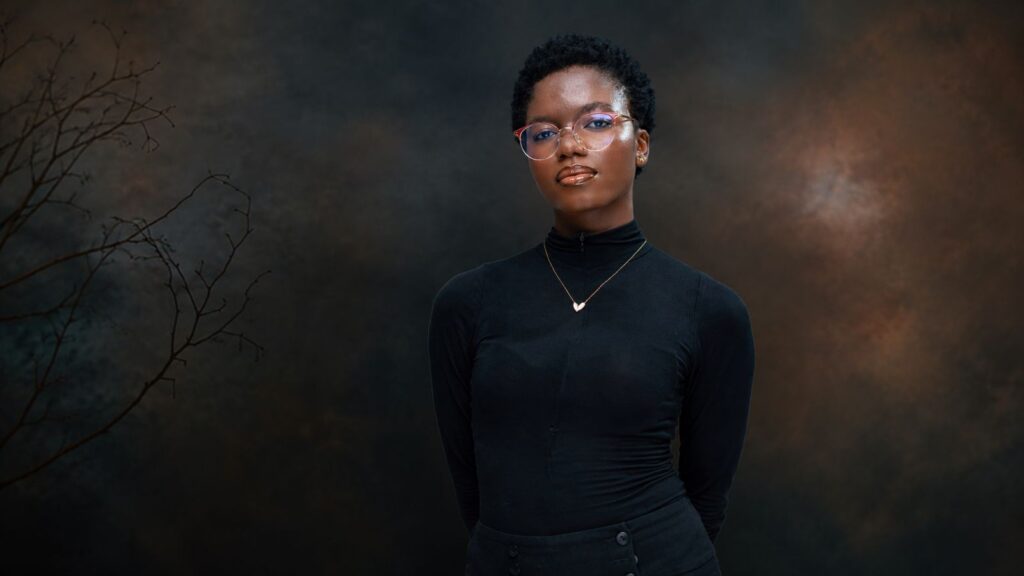
Sometimes, the work we are called to do grows out of the things we once needed ourselves.
For Starlet Nnakife, a personal conviction about identity, faith, and human development has grown into a book, Finding the Missing You: The Alignment Framework for Becoming Whole, and The Starlet Nnakife Foundation. Through her work, she hopes to help people discover who they are, make wiser decisions, and receive the guidance they need before preventable experiences leave lasting scars.
In this conversation with Africa Rising Stories (ARS), we talked about her journey, the thinking behind her book, her commitment to preserving young people’s identities, and the legacy she hopes to build.
ARS: Beyond being an author, entrepreneur, makeup artist, and transformational speaker, who is Starlet Nnakife?
Starlet Nnakife: Beyond the titles and the work I do, I am that little girl who wants to make sure that not everyone has to experience the same pains she experienced while growing up.
I know what it means to navigate life as a young girl without someone to shine light on your path. I lost my father at the age of ten, and growing up without experiencing the kind of fatherly love I needed left gaps in my life that I did not fully understand until I became an adult. Looking back, I recognise how some of my decisions, including the relationships I entered, were influenced by my longing for the love and security I had missed.
I have also experienced what it means to place your trust in someone who appears to have your best interests at heart, only to discover that their intentions are far from what they presented. Later, I went through a toxic relationship that almost cost me my life. Through these experiences, I have come to understand how much damage can happen when people are searching for love, direction, and acceptance without the right foundation or support.
Yet, through it all, the mercy of God has kept me. My experiences have shaped what I care about most: human development, love, and the preservation of the younger generation. When I look at young girls today, I often see the younger version of myself. I wonder whether they will have the guidance I needed and whether someone will help them recognise danger before it costs them something precious.
My conviction is rooted in Isaiah 61:3, “To give them beauty for ashes.” I believe that what God has brought me through should become a source of light, wisdom, and guidance for others. I want the lessons I have learnt to serve others and help them make decisions that protect their lives, identity, and future.
ARS: You believe that preservation must come before redemption. What inspired this conviction, and why is it important to help people understand who they are before external influences begin to shape their identity?
Starlet Nnakife: I began to understand the importance of preservation when I reflected on my own experiences and recognised how much of the pain people encounter in life could be prevented if they received the right knowledge, guidance, and understanding early enough.
I would not say that losing my father was the major issue. Although his absence contributed to certain gaps in my life, I had my mother, aunties, uncles, sisters, and brothers. The deeper concern was that sometimes, the people around a child can be so occupied with their own responsibilities and struggles that they do not recognise what the child is going through. A child can therefore grow up surrounded by people and still lack the guidance needed to navigate important aspects of life.
Think of a young girl who is never properly educated about her body, personal hygiene, healthy relationships, sexual boundaries, manipulation, or abuse. She may eventually have to learn these things through painful experiences outside the home. The knowledge she needed to recognise danger and protect herself could have been given to her much earlier.
The same principle applies to identity, self-worth, faith, purpose, and decision-making. Children need to be taught, guided, and equipped. We cannot assume that they will automatically develop the wisdom they need simply by growing older.
This is why my work begins with identity restoration, which is the first of the five frameworks in my book: Identity, Faith, Purpose, Personal Development, and Leadership. People need to understand who they are, develop the convictions that guard that identity, recognise their purpose, and build the capacity to fulfil it responsibly.
For me, preservation is both preventive and restorative. I want to help preserve what can still be preserved, restore what has been damaged, and equip people to fulfil their God-given assignments.
ARS: Your book, Finding the Missing You: The Alignment Framework for Becoming Whole, explores identity, faith, purpose, personal development, and leadership. What inspired you to write it, and what does the idea of a “missing you” mean to you?
Starlet Nnakife: The book was born out of obedience to an instruction from God. I did not wake up one day and independently decide that I wanted to write a book. The burden to help people understand themselves and become whole was already there, but I did not know that a book would become one of the channels through which that burden would find expression.
The title speaks to something I believe many people experience without always having the language to explain it. There is a core essence to every person that goes beyond their name, occupation, achievements, reputation, and the roles they perform in life. It is the understanding of who you truly are, why you exist, and what you were created to fulfil.
I understand this from personal experience. I started my journey as a professional makeup artist. I was good at what I did, and I genuinely enjoyed my work. However, somewhere along the way, the joy I once experienced began to fade. I was still working and functioning, but inwardly, something was missing. There was a vacuum I could not explain, and I began to realise that professional competence and outward activity were not enough to resolve it. That experience drove me back to God in prayer.
I often think of an industrial blender that finds itself performing only domestic functions. It may work perfectly well, and there may be nothing visibly wrong with it, but it is not operating within the full scope of what it was designed to do. In the same way, a person can be talented, productive, celebrated, and accomplished while remaining disconnected from the fullness of who God created them to be.
That is what I mean by finding the missing you. It is the journey of discovering your identity, understanding your convictions, discerning your purpose, developing the capacity to fulfil that purpose, and learning to exercise your influence responsibly.
My hope is that readers will do more than enjoy the book. I want them to apply its principles and experience the transformation that comes from living with greater understanding and alignment with God’s design.
ARS: In your book, you emphasise establishing identity before pursuing purpose, developing character before influence, and cultivating alignment before acceleration. Why must these principles happen in that order?
Starlet Nnakife: I believe it is dangerous to pursue success, achievement, or influence before establishing a strong understanding of who you are because, in life, order determines strength.
A building does not become stable simply because all the necessary materials are available. Its stability depends on whether those materials are placed in their proper sequence. Life works in a similar way. You can possess the right things, have good intentions, and pursue something worthwhile, but when those things are pursued in the wrong order, instability can eventually emerge.
When someone pursues purpose before establishing identity, they may begin to define themselves by what they achieve. Their sense of worth becomes tied to their accomplishments, so when those accomplishments disappear, their sense of identity can collapse with them.
The same thing happens when someone pursues leadership before personal development. Their influence may grow faster than their character, competence, and capacity to handle responsibility. They may gain visibility and occupy important positions, yet struggle to sustain the influence they have acquired because their internal development has not kept pace with their external advancement.
This is why the framework in my book follows a deliberate sequence: Identity, Faith, Purpose, Personal Development, and Leadership.
Identity establishes who you are. Faith establishes the convictions that guard that identity and shape how you live. Purpose clarifies what you are here to do. Personal development equips you with the capacity to fulfil that assignment, and leadership becomes the expression of a life prepared to carry responsibility and influence others.
I am not saying that people must have every aspect of their lives perfected before they pursue opportunities or take on responsibility. Growth continues throughout life. What I am emphasising is the importance of establishing the right foundations and allowing our development to accompany our advancement.
Ultimately, the goal should be more than becoming successful. It should be becoming whole enough, grounded enough, and equipped enough to carry the success, responsibility, and influence that come with our assignments.
ARS: Your work is anchored in Isaiah 61:3, particularly the promise of beauty for ashes. How has your Christian faith shaped your understanding of identity, restoration, and purpose?
Starlet Nnakife: Isaiah 61:3, “To give them beauty for ashes,” is deeply personal to me because I see it as the foundation of my calling. It speaks to what God can do with a life that has encountered pain, loss, and experiences that could have left it broken. But to me, this Scripture is also about what happens when we allow God to work through our experiences and turn what we have been through into something that can serve others.
When I look at my own journey, I recognise that there are experiences I would never have chosen for myself. There were things I had to navigate without the understanding, guidance, or discernment I needed at the time. Yet, through the mercy of God, I have come through those experiences with lessons and convictions that now shape the work I do.
I have come to see that what I have experienced should not end with me. The wisdom and understanding God has developed in me must become a source of light for others. I want to take the oil that came from what came to crush me and allow it to become a blessing for others.
This is part of what inspired Finding the Missing You and continues to shape the work I am building through The Starlet Nnakife Foundation. I believe that when God brings us through difficult experiences, there can be a responsibility to allow the lessons we have gained to serve a purpose beyond our own lives.
I also believe that Isaiah 61:3 speaks to both preservation and redemption. Sometimes, we reach people after they have experienced pain, and the work is to help them recover, rebuild, and find their way towards wholeness. At other times, we have the opportunity to reach them before certain experiences occur, giving them the knowledge and preparation that can help them avoid preventable harm.
For me, this work is an expression of my faith. I want to preserve what can still be preserved, restore what has been broken, and help people move towards wholeness and purpose.
ARS: You have taken the message of your book beyond its pages by establishing The Starlet Nnakife Foundation. What led you to create the Foundation, and how does the Finding the Missing You Preservation Project bring that vision to life?
Starlet Nnakife: The Foundation was born out of the conviction that the mission behind my book needed to go beyond the book itself. I recognised that if the message was to reach more people and create lasting impact, it needed an institutional platform through which it could be translated into practical action.
The Foundation is committed to preserving identity, restoring wholeness, expanding access to transformative literature and education, and equipping girls, women, and young people to live purposeful, responsible, and influential lives. Our work is rooted in the conviction that preservation should precede crisis. We believe there is profound value in reaching people with truth and guidance before harmful influences and destructive patterns become deeply established.
Our practical approach is built around the five frameworks in my book: Identity, Faith, Purpose, Personal Development, and Leadership. We want to help people understand who they are, establish the convictions that guide their lives, recognise their purpose, develop the capacity to fulfil their assignments, and exercise leadership responsibly.
Our first major programme, the Finding the Missing You Preservation Project, is an expression of this mandate. The pilot is designed to reach students across the six Area Councils of the Federal Capital Territory through Identity and Wholeness Boot Camps, alongside the distribution of copies of my book. The boot camps will address themes such as identity, self-worth, boundaries, purpose, personal development, leadership, and responsible life choices.
For us, this is about more than organising an event or distributing books. It is about creating an intervention that combines teaching with a resource young people can continue to engage with beyond the programme itself.
Ultimately, The Starlet Nnakife Foundation exists to help translate the conviction behind my calling into practical, lasting social impact. We want to reach people with truth before they have to be reached with rescue, preserve what can still be preserved, and contribute to the restoration and development of those who need it.
ARS: Through the Finding the Missing You Preservation Project, you plan to reach students across the FCT. Why have you chosen to begin with young people in schools, and what changes do you hope to see in their lives?
Starlet Nnakife: When people ask why we are beginning with preservation rather than redemption, my answer is rooted in the mandate God has given us. Our conviction is that preservation must come before redemption. Rather than waiting until people are broken and then searching for ways to restore them, we must also ask ourselves: who can we reach now, before they lose their way? What destinies can we preserve before they are damaged by experiences that could have been prevented?
I understand the importance of this personally because, along my journey, God brought someone into my life who played a significant role in preserving me. My mentor and spiritual mother, Amb. Evang. Princess Eberechi Ananti, came into my life when I was young, vulnerable, and trying to find my footing in an unfamiliar city. She took responsibility for nurturing, guiding, correcting, encouraging, and praying for me. She saw beyond my immaturity and the things I had not yet understood about life, and she remained committed to helping me become the person God was calling me to be.
Looking back, I often think about what might have become of me if God had not brought her into my life. What would have happened to the assignment He had entrusted to me? And what would have happened to the many people whose lives are connected to that assignment?
That experience has helped me understand something important: when you preserve a person, you may be preserving far more than that individual. You may also be preserving the lives that person is yet to reach, the people they are yet to influence, and the generations that will benefit from their obedience to God.
I also remember the support we received when we were preparing for the first boot camp pilot. A woman who had known me for barely two months supported the assignment with close to one million naira. That experience strengthened my faith and reminded me of the importance of following God’s direction.
Through the project, we want students to understand who they are, recognise harmful influences, develop discernment, and make responsible decisions. We want them to have access to knowledge and guidance that can help them navigate life more wisely.
Inside every seed lies the potential for a forest, and inside every destiny are generations yet to emerge. We may never know the full extent of what one preserved life will eventually contribute to the world. That is why I keep asking: if we have the opportunity to reach someone before preventable harm occurs, why should we wait until that person needs rescuing?
ARS: Your Foundation focuses particularly on girls, women, and young people. What challenges do you believe they face around identity, self-worth, boundaries, faith, and decision-making, and how do you intend to equip them?
Starlet Nnakife: I believe one of the greatest challenges facing girls, women, and young people today is that many are expected to navigate important aspects of life without always receiving the intentional guidance and preparation they need. We expect them to make good decisions, build healthy relationships, recognise harmful influences, understand their worth, and discover their purpose, yet we do not always create enough opportunities to teach them these things before they are confronted with situations that demand them.
A young person can grow up surrounded by people and still lack a clear understanding of who they are. A girl may know how to perform well academically or fulfil certain responsibilities, yet have little understanding of her personal boundaries, how to recognise manipulation, how to respond to pressure, or how to distinguish genuine love and care from relationships that could harm her.
When a person’s understanding of their identity and worth is not firmly established, they can become vulnerable to external definitions of who they should be. They may begin to measure their value by acceptance, relationships, appearance, achievements, or the opinions of others. This can affect their decisions, the boundaries they establish, the people they allow into their lives, and the direction they choose to follow.
Young people need more than information about what is right. They need to understand why it matters, develop the convictions to stand by it, and acquire the discernment to apply it when faced with real-life situations.
Through The Starlet Nnakife Foundation, we intend to contribute to this development through transformative literature, school interventions, mentoring, education, and practical learning experiences. Through the Identity and Wholeness Boot Camps and access to my book, we want to create opportunities for students to explore identity, self-worth, boundaries, faith, purpose, personal development, leadership, and responsible decision-making in ways they can understand and apply.
Our desire is not simply to speak to young people or give them books. We want to contribute to their formation. We want the knowledge they receive to help them recognise their worth, question harmful narratives, exercise discernment, establish healthy boundaries, and approach their decisions with greater understanding and responsibility.
For me, preservation begins with intentional preparation. We must teach, guide, and equip young people with stronger foundations while providing the support they need as they continue to grow.
ARS: Building a long-term social-impact institution comes with its own challenges. What have you encountered while turning your vision into reality, and what are you doing to ensure the Foundation’s work is sustainable and its impact measurable?
Starlet Nnakife: One of the major challenges I have encountered in building The Starlet Nnakife Foundation has been securing funding and getting people to believe in the vision. When you are building something that is still in its formative stage, people may struggle to understand the full scope of what you are trying to achieve, particularly when the vision goes beyond organising a single outreach or distributing books.
However, one thing God has continued to teach me through this process is the importance of following His leading rather than running ahead of Him. Scripture speaks in Isaiah 30:21 of hearing a voice behind us saying, “This is the way, walk in it.” I have come to appreciate that when God gives an assignment, we must remain attentive to His direction, even when He asks us to adjust the plans we initially had.
For instance, our initial plan for the Finding the Missing You Preservation Project was to reach students in one school in each of the six Area Councils of the Federal Capital Territory. As I continued seeking God’s direction, I received further instruction to restructure the outreach so that we could reach more students through additional schools.
While I was still working through that instruction, a woman who had known me for barely two months called after we discussed the outreach. She explained that she believed God had redirected her to support the assignment He had entrusted to me. She went on to cover the entire cost of the first boot camp pilot, providing close to one million naira in support.
That experience strengthened my conviction that although some people may not immediately understand or believe in a vision, there are others who will recognise it and contribute to its fulfilment. My responsibility is to remain obedient, communicate the vision clearly, steward the resources entrusted to me faithfully, and build the structures required to carry the work forward.
At the same time, I understand that faith must be accompanied by responsible stewardship. A long-term institution cannot depend on isolated acts of generosity or the presence of one person alone. The vision must be supported by sound planning, accountability, measurable objectives, and relationships with people and organisations whose values align with its mission.
We want to document our work, track participation and book distribution, gather feedback from students and educators, and assess how effectively our programmes are meeting their objectives. We also recognise the importance of building strategic relationships with schools, educators, philanthropists, corporate organisations, development partners, and other institutions that share our commitment to identity preservation, education, and youth development.
As we continue developing the Foundation, formal registration and appropriate governance and operational structures are also important priorities. We want to build an institution that can manage resources transparently, evaluate its programmes honestly, and sustain its work beyond individual projects or personal relationships.
My focus is not simply on finding the funds to organise the next outreach. It is on building an institution capable of turning its mandate into consistent, measurable, and lasting social impact.
ARS: You envision a future in which books become instruments of social change and education prepares young people not just for academic achievement, but also for life, leadership, and responsibility. If your work achieves everything you envision over the next 10 to 20 years, what would be different about the next generation, and what legacy do you hope to leave?
Starlet Nnakife: When I imagine what the next 10 to 20 years could look like if this vision is fully realised, I see a generation that has been equipped not only to succeed in life, but also to understand itself, exercise discernment, make responsible decisions, and use its abilities and influence meaningfully.
I want to see a generation that receives intentional guidance before life forces it to learn every lesson through painful experiences. I want girls and young women to understand their worth, recognise unhealthy influences, establish healthy boundaries, and approach their decisions with greater wisdom. I want young people to understand that purpose requires preparation, leadership requires character and responsibility, and success is most meaningful when the person achieving it has also developed the capacity to carry its weight.
This is one of the reasons I believe books must become more than objects people purchase, read, or place on shelves. Literature can introduce people to truths they have never encountered, challenge beliefs that have limited them, and provide frameworks through which they can understand and navigate their lives. When literature is combined with intentional education, mentoring, and practical developmental experiences, it can contribute to a more enduring kind of transformation.
For The Starlet Nnakife Foundation, I envision a sustainable social-impact institution that grows beyond individual projects into a system of programmes and opportunities capable of reaching people across communities and generations. I want us to look beyond the number of books distributed or students who attend a boot camp and ask deeper questions. What did the students learn? Did the programme strengthen their understanding of identity and self-worth? Did it help them recognise harmful influences and think more carefully about their decisions? What worked, what needs to improve, and how can we reach more people effectively?
Beyond the Foundation, I also envision building enduring businesses and institutions that contribute to human development and African progress. Through entrepreneurship, business education, leadership development, professional training, and consultancy, I want to contribute to an environment in which people are equipped to build meaningful ventures, develop their capabilities, create opportunities, and provide solutions to real needs.
Ultimately, however, the legacy I hope to leave is much bigger than my name, my book, or any organisation I establish. I want the work to continue producing value even when I am no longer the person at the centre of it. I want to build institutions that can outlive me, develop people who will go on to develop others, and create resources and systems that make it possible for this work to continue across generations.
When you preserve a destiny, you may also be preserving the many destinies connected to it. A young person who receives the right guidance today may become a parent who raises children with greater intentionality, a leader who serves with integrity, an educator who shapes future generations, or an entrepreneur whose work creates opportunities for an entire community.
Inside every seed lies the potential for a forest, and inside every destiny are generations yet to emerge. My desire is to help preserve those seeds and provide the conditions in which they can grow.
At the centre of this vision remains the mandate drawn from Isaiah 61:3: to give beauty for ashes. For me, this means preserving what can still be preserved, restoring what has been broken, and creating pathways through which people can move towards wholeness, dignity, purpose, and flourishing.
I am not building simply to be remembered. I am building so that the work can continue, the impact can multiply, and the lives connected to this assignment can be reached. My desire is to remain faithful to what God has entrusted to me, build it with wisdom, and prepare it to serve generations I may never meet.
First, preservation. Then, redemption. To give beauty for ashes. That is the conviction behind my calling, the foundation of the work I am building, and the legacy I hope to leave.