National Health Fellow Condoleezza Mbu Leads Menstrual Health Campaign for Adolescents in Cross River Community
For many adolescent girls in rural communities, menstruation remains a subject shrouded in silence, myths, and misinformation. Without access to accurate information and support, many young people enter puberty unprepared, often experiencing fear, confusion, and stigma during one of the most important stages of their development.
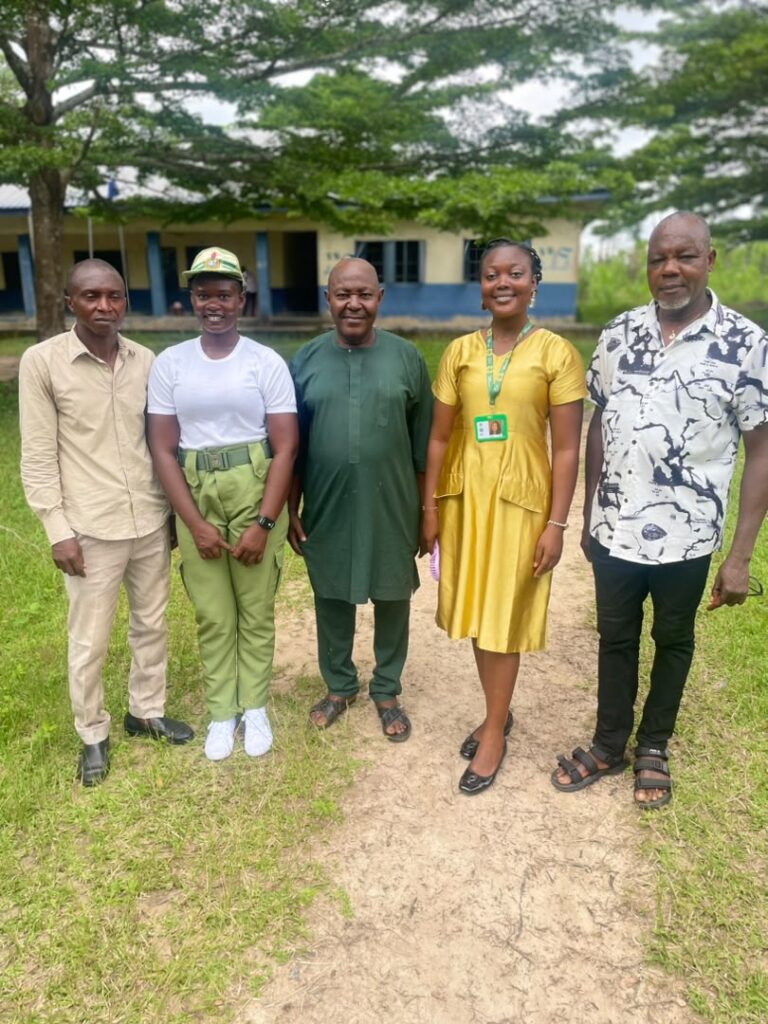
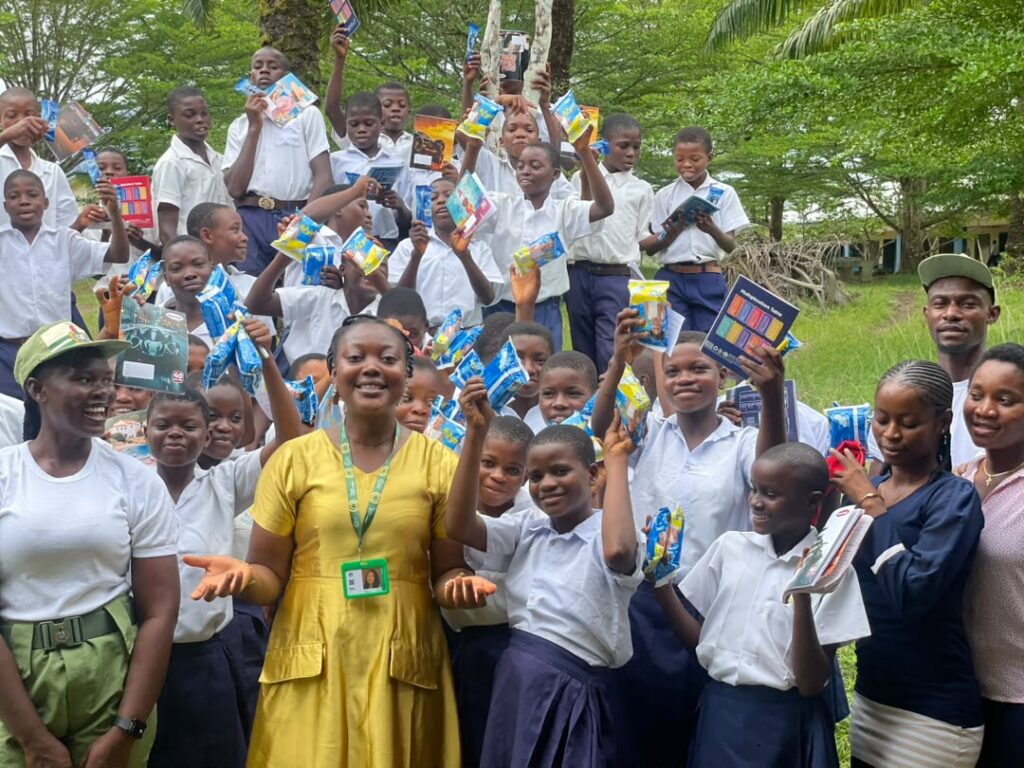
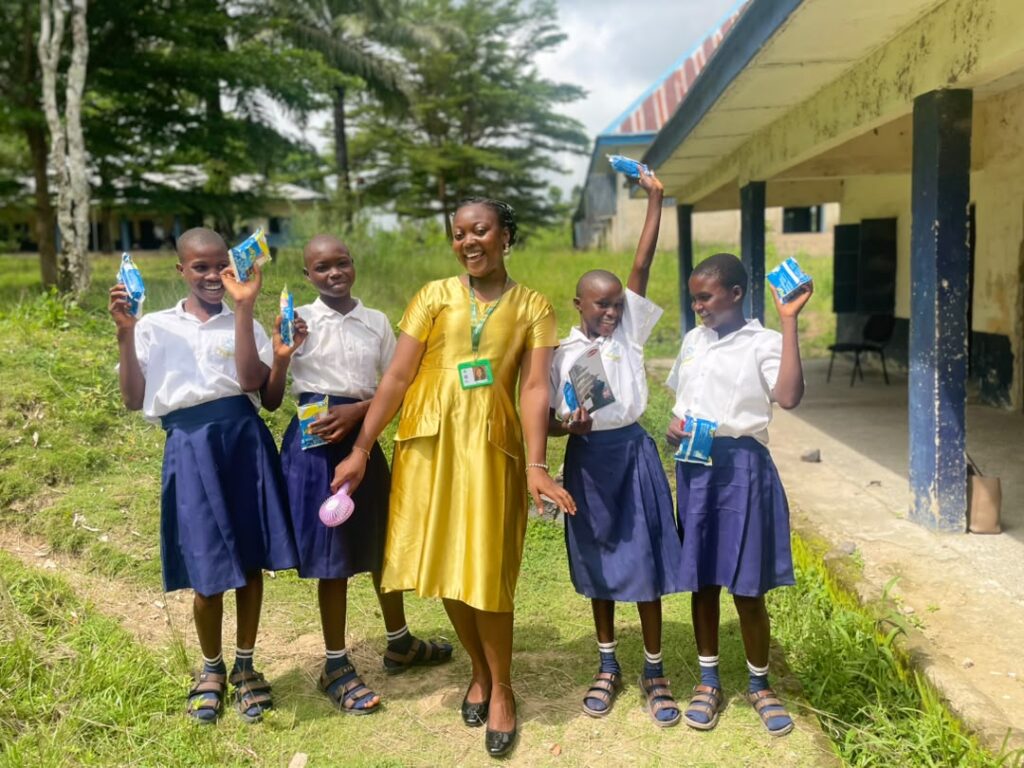
Determined to address this challenge, the National Health Fellow for Etung Local Government Area of Cross River State, Condoleezza Mbu, recently led a menstrual hygiene and adolescent health awareness campaign for students of Ogim Onor Model Secondary School in Abia Community.
The initiative was organised as part of activities marking World Menstrual Hygiene Day 2026, a global observance dedicated to raising awareness about menstrual health, promoting good hygiene practices, challenging harmful taboos, and advocating for a world where every girl can manage her period with dignity. This year’s theme was “A Period-Friendly World.”
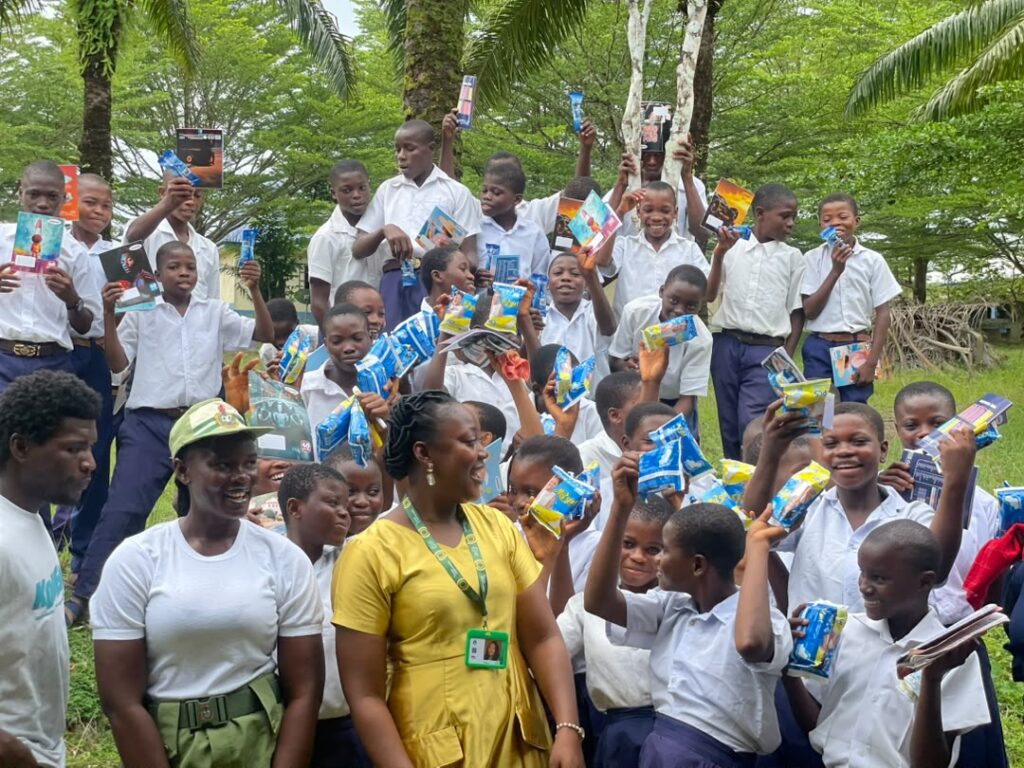
Held with the support of the school management and members of the National Youth Service Corps serving in the community, the campaign brought together adolescent students for practical conversations around puberty, menstrual health, personal hygiene, confidence, and self-development.
Speaking during the session, Mbu emphasized the importance of equipping young people with accurate information early enough to help them make informed decisions about their health and wellbeing.
She noted that many young girls still experience anxiety and uncertainty when they begin menstruating due to limited access to menstrual health education and the persistence of harmful myths surrounding the subject.
The awareness session was designed to prepare girls who had not yet experienced their first menstrual period while also supporting those already menstruating with practical guidance on menstrual hygiene management.
Participants learned about the menstrual cycle, personal hygiene practices, menstrual health management, and the importance of maintaining confidence and participation in school and daily activities during their periods.
Beyond menstrual health, the programme also addressed issues affecting adolescents, including self-esteem, peer pressure, personal identity, confidence, and healthy decision-making.
Recognising the role boys play in creating supportive environments, the campaign included conversations aimed at helping male students better understand menstruation and its impact on their female peers.
Boys were encouraged to see menstruation as a natural biological process and to support rather than stigmatize girls who may experience discomfort, emotional changes, or accidental stains during their menstrual periods.
The interactive nature of the session created a safe space for students to ask questions, challenge misconceptions, and gain accurate information on topics often considered difficult to discuss openly.
A separate session for boys focused on personal grooming, hygiene, and adolescent development and was facilitated by Mr. Victor, a member of the National Youth Service Corps serving in the community.
The campaign forms part of Condoleezza Mbu’s capstone project under the National Health Fellows Programme, an initiative of the Federal Government of Nigeria implemented through the Nigeria Health Sector Renewal Investment Initiative SWAp Coordination Office under the Federal Ministry of Health and Social Welfare.
The programme is designed to strengthen community health systems while supporting emerging leaders to drive health awareness, positive behavioural change, and community-based interventions at the grassroots level.
For the students of Ogim Onor Model Secondary School, the initiative provided more than information. It created an opportunity for learning, dialogue, confidence-building, and support, helping to foster a healthier and more informed generation of young people.
As efforts to improve adolescent health continue across Nigeria, initiatives like this demonstrate the important role young health leaders can play in breaking stigma, promoting awareness, and creating safer, more supportive environments for adolescents to thrive.