NGO Strengthens Maternal Healthcare Through Training for Lagos Health Educators
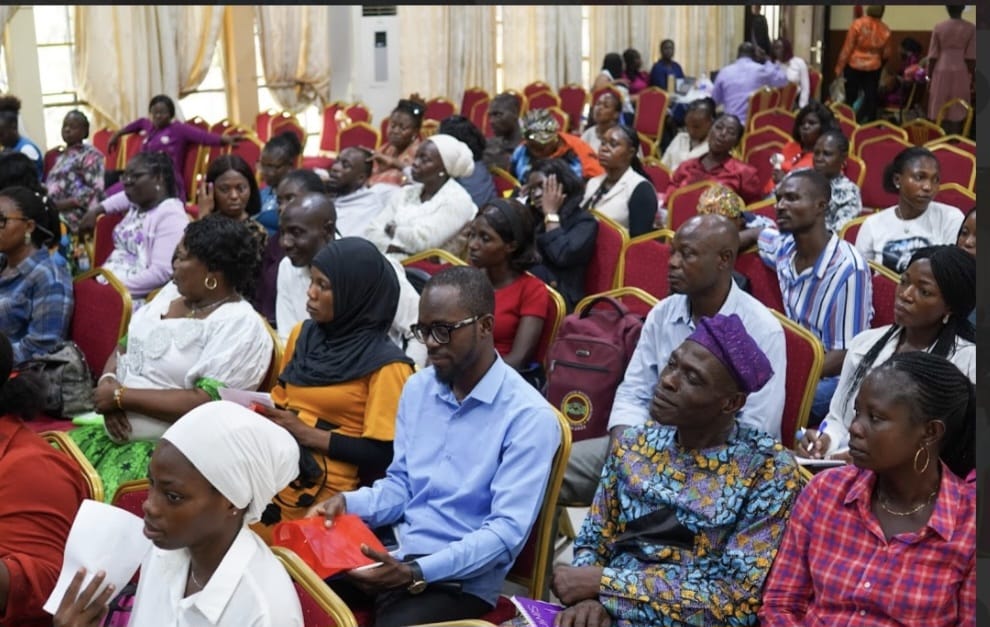
A non-governmental organisation has partnered with health stakeholders in Lagos State to train health educators on improved maternal care practices, with the goal of strengthening community awareness and reducing preventable maternal deaths.
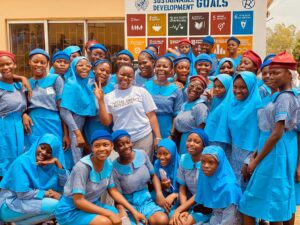
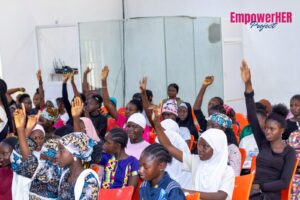
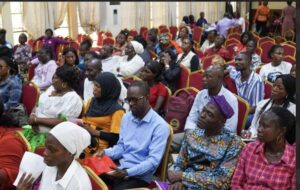
The training programme brought together health educators and community health workers to enhance their knowledge of maternal health services, safe pregnancy practices, and the importance of timely access to healthcare facilities. Organisers said the initiative is designed to equip participants with the skills needed to educate women and families about maternal health issues at the grassroots level.
During the programme, participants were trained on effective communication strategies, health education techniques, and ways to support pregnant women in seeking appropriate medical care before, during, and after childbirth. The organisers noted that health educators play a crucial role in bridging the gap between healthcare providers and communities, particularly in underserved areas where awareness about maternal health services may be limited.
The initiative also emphasised the importance of antenatal care, skilled birth attendance, and postnatal support for mothers and newborns. Health educators were encouraged to use their positions within communities to raise awareness about available maternal health services and promote early health-seeking behaviours among pregnant women.
Experts at the training highlighted that Nigeria continues to face significant maternal health challenges, with many maternal deaths linked to preventable causes such as delayed access to medical care, lack of awareness about pregnancy complications, and inadequate support during childbirth. Strengthening community-level education, they explained, is one of the key strategies for improving maternal health outcomes across the country.
The programme further underscored the need for collaboration between government institutions, healthcare providers, and civil society organisations to address maternal and child health challenges. By equipping health educators with accurate information and effective outreach methods, organisers hope to create a network of advocates who can promote safer pregnancy and childbirth practices within their communities.
Participants expressed optimism that the training would improve their ability to guide women and families toward healthier decisions during pregnancy and childbirth. Many noted that community health education remains one of the most effective ways to reach vulnerable populations, especially in areas where access to healthcare information is limited.
Organisers said the initiative forms part of broader efforts to strengthen maternal healthcare delivery in Lagos State by empowering frontline educators who interact directly with women and families. Through continuous training and community engagement, they hope to contribute to reducing maternal mortality and improving the overall wellbeing of mothers and children.
Stakeholders added that expanding such training programmes across more communities would help ensure that more women receive the information and support they need to experience safe pregnancies and deliveries.