NGOs Train First Responders on Life-Saving Skills to Reduce Emergency Deaths
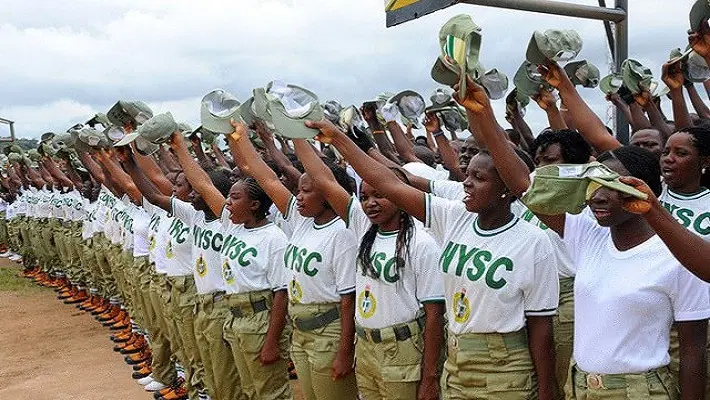
Three non-governmental organisations on Tuesday in Abuja organised a specialised training programme for first responders and desk officers from different institutions, including the National Youth Service Corps (NYSC), to improve emergency response and reduce preventable deaths during emergencies.
The training, tagged “LifefirstNaija: Community Bystander First Responder Trainer,” was organised by Smile Network International, the HAVIDS Centre for Environment and Development, and the Fountain Heritage Network for Social Development.
The initiative focused on equipping participants with practical first-response knowledge and life-saving skills needed to provide immediate support before professional medical help arrives.
Speaking during the programme, a retired Permanent Secretary in the Federal Ministry of Education, Dr. MacJohn Nwaobiala, said many deaths recorded during emergencies could be prevented if ordinary citizens understood how to respond quickly and correctly in critical moments.
According to him, the goal of the initiative is to build a network of trained community responders who can take immediate action during accidents, health emergencies, and other crisis situations.
“We lose many people, not because help is completely unavailable, but because there is often no immediate response before medical teams arrive. The first few minutes during an emergency are extremely important,” he said.
He explained that the programme was designed to empower citizens with confidence and practical emergency response skills that could help save lives in communities across Nigeria.
Participants were trained on basic emergency care techniques, including first aid, cardiopulmonary resuscitation (CPR), emergency communication, and how to safely assist victims before professional responders arrive.
The organisers noted that strengthening community response systems is necessary, especially in areas where access to emergency healthcare services may be delayed.
They added that young people, teachers, desk officers, community leaders, and public-facing workers play an important role in emergency situations because they are often the first people present when incidents occur.
Some participants described the training as timely and impactful, saying it exposed them to practical skills many Nigerians do not currently possess.
One of the participants said the training changed the way she viewed emergencies and increased her confidence in assisting people during crisis situations.
“I used to panic whenever I saw an emergency situation, but now I understand basic steps to take before medical professionals arrive,” she said.
The organisers also called for stronger collaboration between government agencies, schools, community organisations, and healthcare institutions to expand emergency response education and reduce avoidable deaths across the country.