SWAG Regional Youth Convening Brings Policy, Youth Leadership and Investment Together for Health and Development
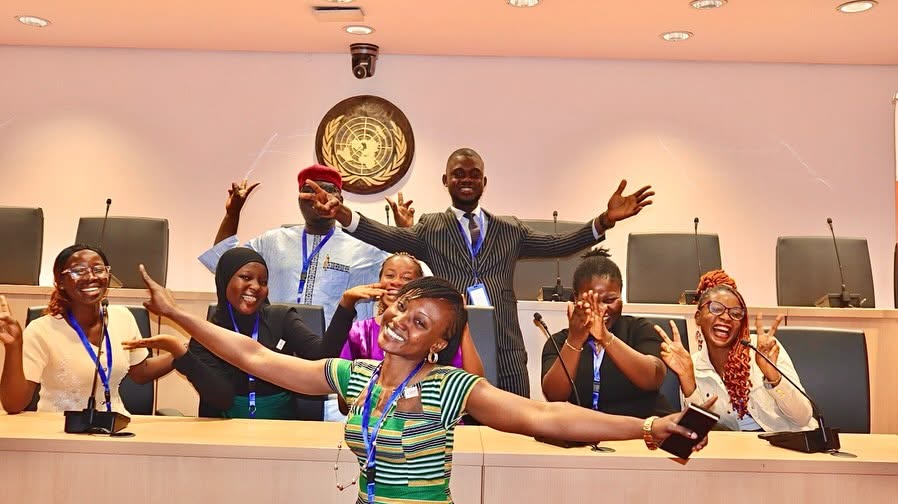
As countries across West and Central Africa seek stronger ways to improve health and development outcomes for adolescents and young people, the question is increasingly moving beyond what needs to change to how young people, governments and other stakeholders can work together to make that change happen.
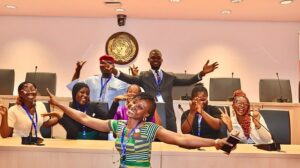
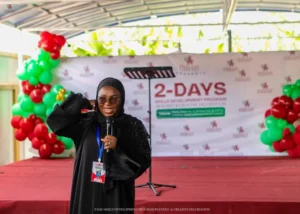
The Stand With A Girl Initiative (SWAG) brought this conversation to the centre of a two-day Regional Youth Convening on Health and Development, held on September 16–17, 2026, at the United Nations House in Abuja.
Convened under the theme, “Policy Pathways, Regional Solutions and Co-Investment for Lasting Adolescent and Youth Health and Development Gains in West and Central Africa,” the gathering brought together youth leaders from Nigeria, Ghana, The Gambia, Sierra Leone, Liberia and Cameroon, alongside government representatives, UN agencies, development organisations, academia and the private sector.
At the heart of the convening were young people themselves, including the 15 inaugural Fellows of the NEXTGEN@SWAG Regional Academy. Selected from the six participating countries, the Fellows form a cohort of young leaders focused on strengthening meaningful youth engagement and contributing to progress in adolescent and youth development across the region.
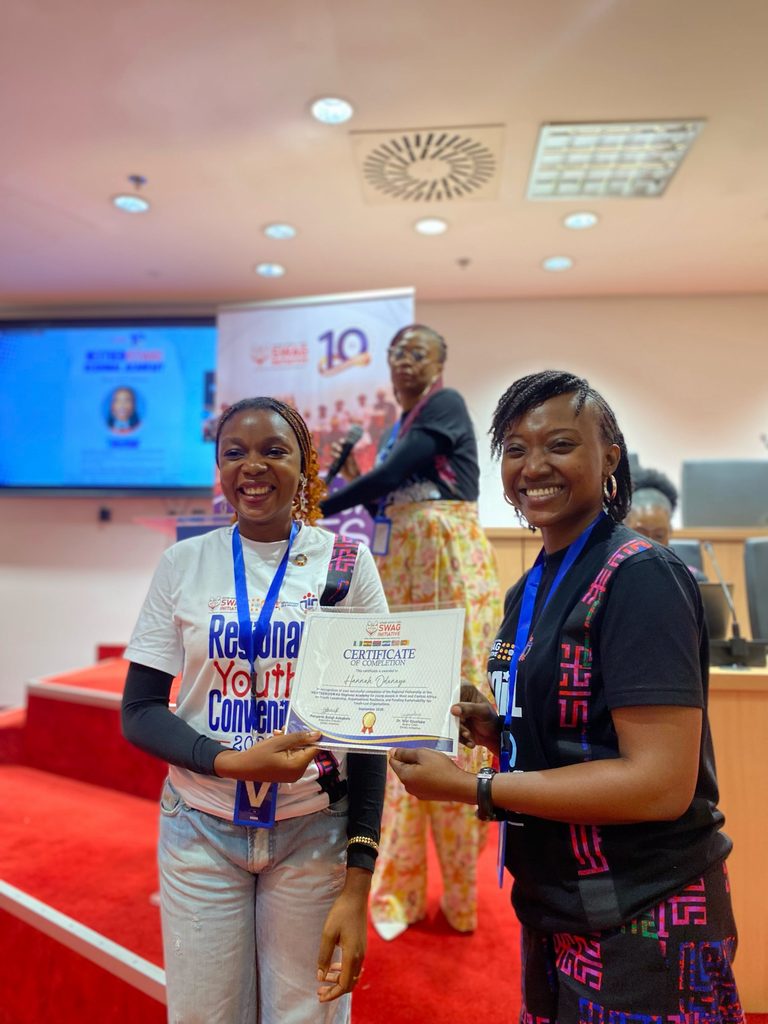
The Fellowship brought an intentional youth leadership dimension to the convening, creating space for young leaders to learn, connect, exchange experiences and contribute directly to regional conversations on health, gender equality, sexual and reproductive health and rights, and development.
The convening itself was designed to move beyond discussion and create practical pathways for strengthening adolescent and youth health and development across the region.
Through opening remarks, panel conversations, peer learning exchanges, an open mic session, a high-level plenary and a roundtable dialogue, participants examined how countries and organisations can strengthen collaboration, improve investment and create systems that allow effective youth-led solutions to move beyond individual projects and influence broader systems.
The Peer Learning Exchange provided an opportunity for young leaders from the six countries to share what is working in their respective contexts, learn from one another and explore opportunities to turn shared challenges into collective action.
One of the central conversations focused on “Bridging Generations, Systems and Investment for Adolescent Health and Development,” bringing different generations and sectors into conversation about what it takes to move from good intentions to meaningful investment and action for young people.
The open mic session also created space for young people to raise difficult questions around financing, partnerships and priorities. Among the questions considered were whether Africa should fund adolescent health and development with African resources before looking outside the continent, whether multisectoral partnerships work as effectively in practice as they do on paper, and whether adolescent health development is underfunded or simply not prioritised.
For Margaret Bolaji-Adegbola, Executive Director of SWAG Initiative, stronger collaboration is essential to ensuring that fragmented systems do not continue to undermine outcomes for the people they are designed to serve.
“The cost of fragmentation is paid by the people we serve,” she said, calling for stronger collaboration, institutionalised accountability, stronger systems and innovative financing. She also urged young participants to be confident and authentic, emphasising that their ideas deserved a place in important decision-making spaces.
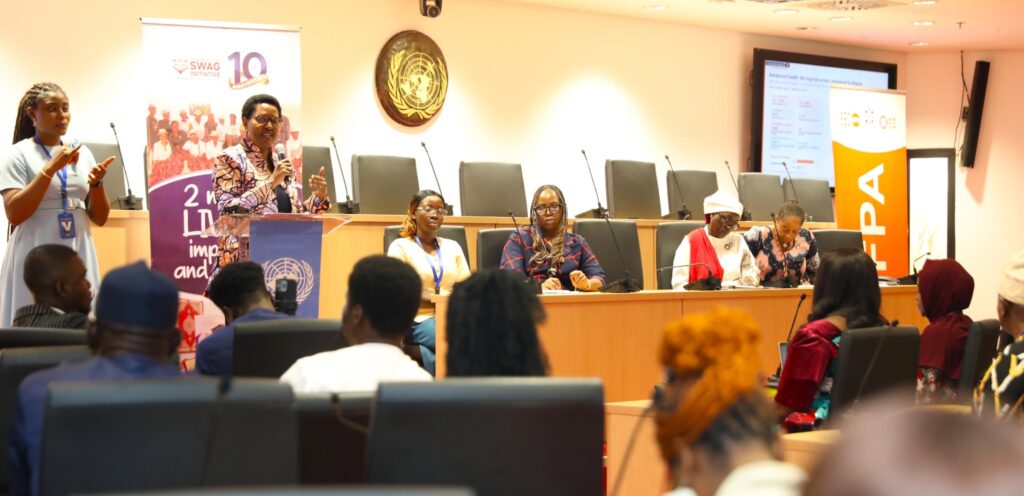
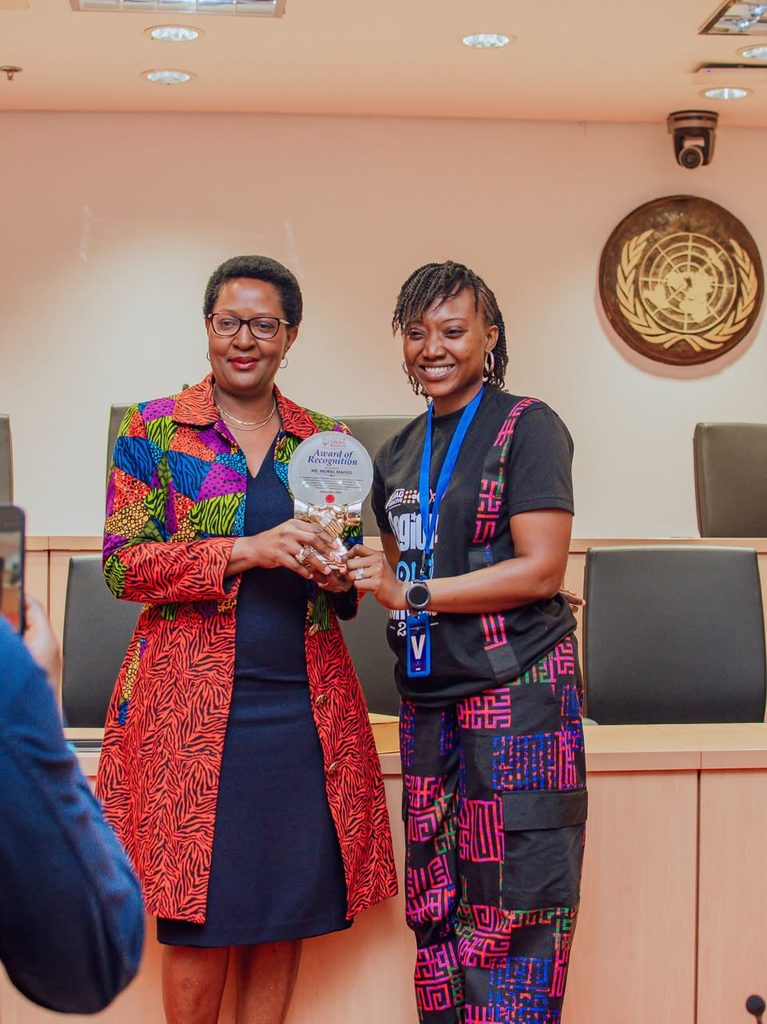
UNFPA Nigeria Resident Representative Muriel Mafico also challenged stakeholders to ensure that the outcomes of the convening go beyond recommendations.
“We should leave this convening with more than recommendations. For every promising solution, let us identify a policy home, an evidence pathway and an investment pathway,” she said.
The discussions also featured practical examples of approaches being used to strengthen adolescent health outcomes. A360 and the Society for Family Health showcased the 9ja Girls and Matasa Matan Arewa (MAYE) strategies, highlighting approaches to adolescent health programming and the importance of sustained investment.
Disability inclusion was also part of the conversation, with the Deaf Women Aloud Initiative bringing the experiences and perspectives of Deaf young people into broader discussions around health, participation and development.
For the young people participating, the convening was also an opportunity to affirm that youth participation is not simply about preparing young people for the future, but recognising their role in shaping the present.
“Because young people are not simply waiting to become the future. We are already shaping the present,” said Rebecca Adengbono, a NEXTGEN@SWAG Academy Fellow from Ghana. She noted that the fellowship had connected young leaders from across the region and created opportunities for them to exchange ideas and develop solutions around adolescent health and development.
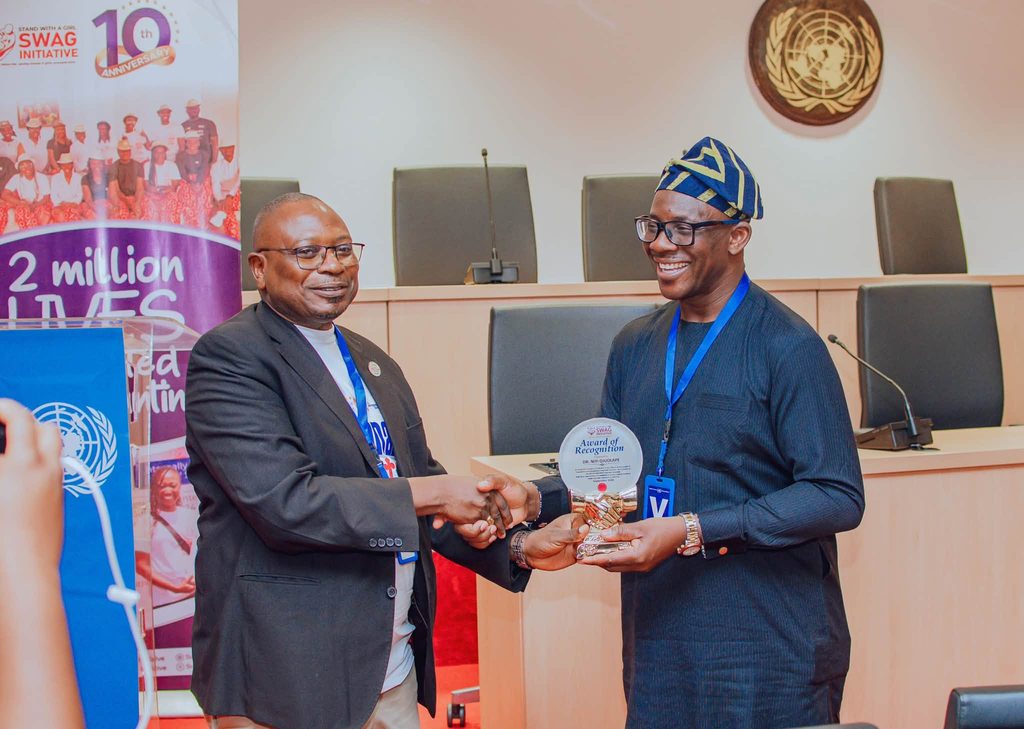
The convening also featured recognition for key stakeholders supporting the advancement of adolescent and youth health and development. Among those recognised were Ms. Muriel Mafico, Resident Representative of UNFPA Nigeria, and Dr. Niyi Olujape, who received Awards of Recognition from SWAG Initiative for their contributions and support.
The two-day gathering brought together different generations, sectors and countries around a shared conversation: how to ensure that young people are not only included in discussions about their health and future, but are given meaningful opportunities to shape the policies, systems and investments that affect them.
For SWAG Initiative, the convening represents another step towards strengthening youth-led action and building stronger regional pathways for adolescent health and development across West and Central Africa.