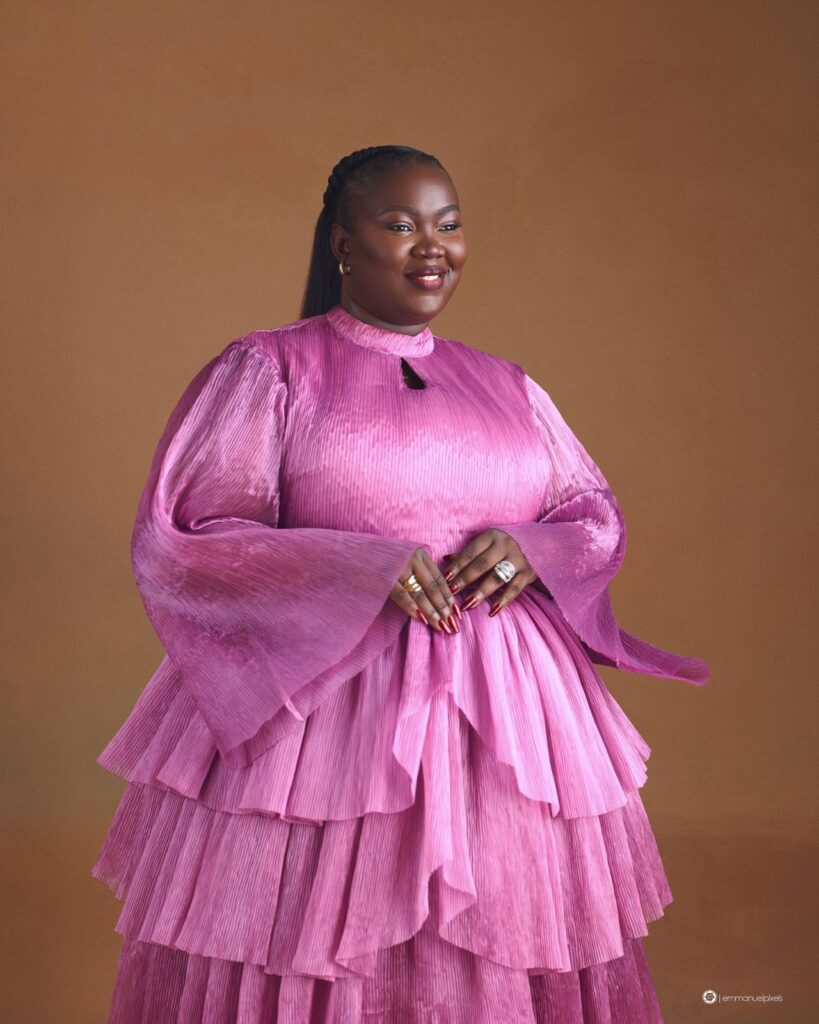
How Mercy Agbeti Is Changing the Way African Women Think About Money

Through faith, entrepreneurship and financial education, Mercy Agbeti is helping a new generation of African women see wealth not as a privilege, but as a responsibility.
For a long time, conversations about money among many African women revolved around one thing: survival. The questions were often familiar.
How do I make ends meet?
How do I support my family?
How do I avoid financial hardship?
Today, however, a different conversation is emerging. More women are asking how to build wealth, invest intentionally, create multiple income streams, and achieve financial security without compromising their values or their families.
Among the voices shaping that conversation is Mercy Agbeti. Known to many as the Christian Money Woman, Mecry has built a platform that sits at the intersection of faith, finance and family. Her message is both practical and countercultural: women can pursue financial independence while also building healthy homes. Rather than presenting career success and family life as competing priorities, she argues that the two can strengthen each other when guided by wisdom and purpose.
That perspective has resonated with thousands of women across Africa who consume her content, attend her trainings and engage with the Money Women community she leads. Through digital education, coaching and public speaking, she has become one of the continent’s recognizable voices on personal finance for women.
Her journey, however, did not begin in financial education. Mercy studied Chemical Engineering at Ladoke Akintola University of Technology before furthering her education in Project Management Technology. She also built an entrepreneurial career through Delight Couture, the fashion business she founded years before becoming widely known as a financial educator. Those experiences gave her a firsthand understanding of earning, managing and growing money beyond theory.
Perhaps what makes her work distinctive is not simply that she teaches women about money. Many people do. Instead, she challenges deeply held beliefs around money, marriage and womanhood. Her work encourages women to see financial literacy as life literacy. Budgeting becomes stewardship. Investing becomes preparation. Wealth creation becomes a means of creating security, expanding opportunities and strengthening families rather than merely accumulating possessions.
That philosophy has also been shaped by her own life. Mercy has spoken publicly about how experiences in marriage and motherhood reshaped her understanding of financial independence, moving her from a mindset of absolute self-reliance toward one of partnership, wisdom and shared responsibility. Those personal reflections have made her message relatable to many women navigating similar transitions.
Across Africa, conversations about women’s economic empowerment are becoming more prominent. Governments, development organizations and private institutions increasingly recognize that improving women’s financial capability contributes not only to household well-being but also to broader economic growth.
Within that landscape, educators like Mercy are helping translate these ideas into everyday action. Whether she is teaching women how to budget, invest, build businesses or rethink their relationship with money, her work reflects a broader shift taking place across the continent: African women are no longer content with simply earning an income. They are seeking financial confidence, long-term security and the ability to build generational wealth.
Ultimately, Mercy Agbeti’s influence extends beyond financial education. She is contributing to a cultural shift, one that encourages women to see money not as something to fear, depend on or merely survive with, but as a tool for stewardship, freedom and lasting impact. And in doing so, she is helping change the way African women think about money.