NGO Distributes Sanitary Pads to 4,072 Schoolgirls Across Four Nigerian States to Tackle Menstrual Poverty and Support Education

A non-governmental organisation, African Immigrants Resources Centre (AIRC), has distributed free sanitary pads to 4,072 schoolgirls across Imo, Lagos, Rivers, and the Federal Capital Territory, Abuja, as part of efforts to tackle menstrual poverty and support girls’ education in Nigeria.
The intervention was carried out under the organisation’s “Give A Girl A Pad” (GAGAP) initiative, which aims to improve menstrual hygiene management, restore dignity, and reduce school absenteeism among adolescent girls who lack access to basic menstrual products.
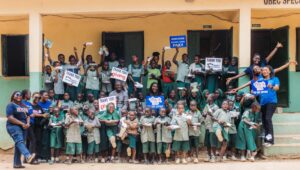
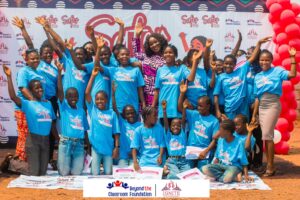
The distribution exercise culminated in a two-day outreach in Emil, Owerri-North Local Government Area of Imo State, where girls from different schools and communities received sanitary pads alongside menstrual health education. Similar distributions were held in selected schools and community locations across the four states.
Speaking during the programme, the Convener of the African Immigrants Resources Centre, Chimezie Oji-Kalu, said the initiative was designed to help girls attend school confidently and without disruption during their menstrual cycle. She noted that many schoolgirls miss classes or drop out entirely due to the inability to afford sanitary products, adding that access to menstrual hygiene materials is critical to girls’ education, health, and self-esteem.
“The ‘Give A Girl A Pad’ initiative is about dignity and opportunity. When girls have access to basic menstrual products, they are better positioned to stay in school, focus on their studies, and pursue their dreams without shame or fear,” she said.
Sanitary pads were distributed to schoolgirls in several locations, including secondary and primary schools in Abuja, Lagos, Rivers, and Imo states, reaching both urban and semi-urban communities. The initiative prioritised girls from low-income households who are most vulnerable to the effects of menstrual poverty.
The organisation’s South-East Coordinator, Winifred Ijeaku, noted that while the impact of the programme has been significant, limited resources have constrained its reach. She called on government agencies, corporate organisations, and development partners to support the expansion of the initiative so that more girls across Nigeria can benefit.
Also speaking at the event, Jovita Ololo, a representative of Alvan Ikoku Federal University of Education, Owerri, encouraged parents and guardians to maintain open communication with their daughters on menstrual health and puberty, stressing that guidance and support at home are essential for adolescent wellbeing.
One of the beneficiaries, 14-year-old Ijeoma Nwoke, expressed gratitude for the support, saying the sanitary pads would help her and her peers manage their periods safely and continue attending school without embarrassment. She also encouraged other girls to practise proper menstrual hygiene to protect their health.
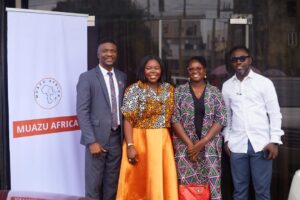
In recognition of her contributions to menstrual health advocacy, Chimezie Oji-Kalu was presented with an Award of Excellence in Community Service by Girl Child Initiative Outreach during the programme.
Menstrual poverty remains a major challenge for many girls in Nigeria, contributing to absenteeism, stigma, and poor health outcomes. Initiatives such as “Give A Girl A Pad” play a vital role in ensuring that no girl is denied education or dignity because of her period.